Cow Ghee Diya: What It Is, How It Burns, and Why It Matters
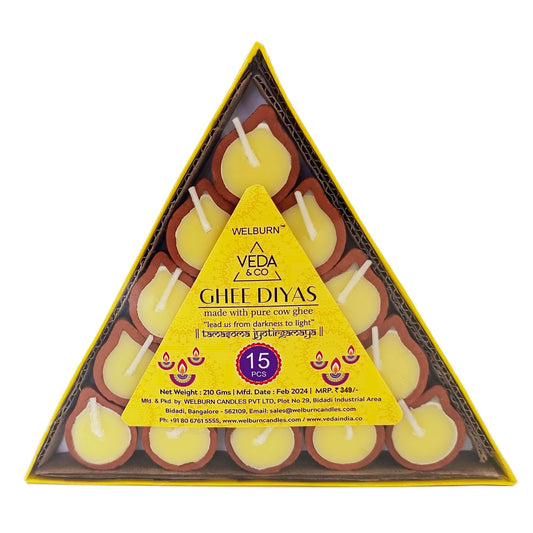
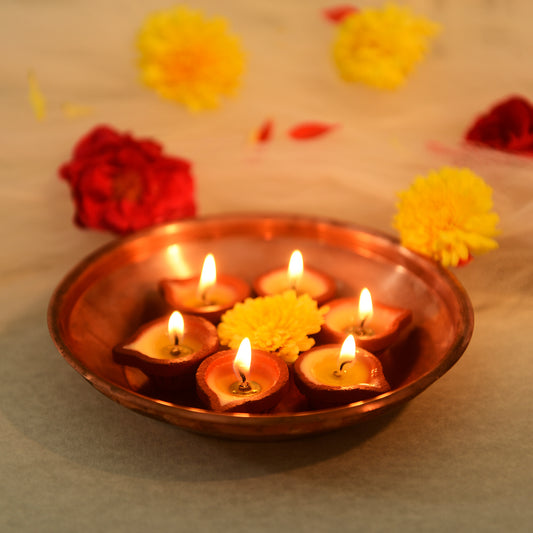
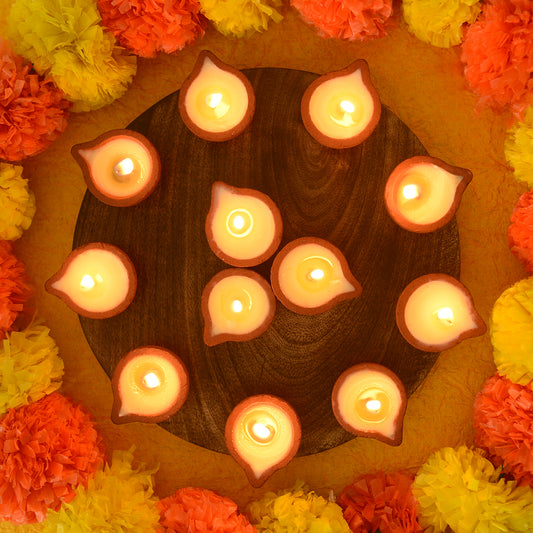
A cow ghee diya is a clay lamp filled with pure cow ghee — not buffalo ghee, not vegetable ghee, not a synthetic blend — and lit with a cotton wick. The distinction between cow ghee and other fuels is visible the moment you light one: the flame is more golden, more stable, and produces noticeably less smoke indoors than lower-quality alternatives.
Browse Veda & Co's ready-to-use cow ghee diya range at vedaindia.co/collections/ghee-diya.
What Makes Cow Ghee Different From Other Diya Fuels
Cow ghee, buffalo ghee, sesame oil, coconut oil, and vegetable ghee blends all produce a flame — but their combustion characteristics differ meaningfully in an indoor setting:
- Cow ghee: Golden, stable flame. Mild warm aroma. Minimal smoke indoors with a quality wick. Solidifies at cool temperatures — a reliable indicator of purity.
- Buffalo ghee: Paler flame. White or off-white colour before melting. Slightly heavier aroma.
- Vegetable ghee or blended oil: More smoke, sharper smell when burning, less stable flame. Not suitable for indoor daily use.
For a detailed breakdown of cow ghee's properties compared to other fats, Healthline's cow ghee nutrition guide covers the composition differences that also explain why it burns differently. FSSAI purity standards for ghee are available at fssai.gov.in.
Veda & Co's Cow Ghee Diya Range
All four packs are ready-to-use clay diyas pre-filled with pure cow ghee and a cotton wick:
- 7 Pieces — Up to 3 Hours: For extended rituals and long evening use.
- 15 Pieces — 50–55 Minutes: For daily home puja with a slightly extended burn.
- 30 Pieces — 50 to 55 Minutes: The everyday daily-use pack.
- 60 Pieces — 50 to 55 Minutes: Festival and bulk daily use. Best per-unit value.
Indoor Air Quality: Why Clean Burning Matters
Most people light their diya in an enclosed puja room corner, bedroom altar, or small apartment space. In these environments, smoke accumulates. A diya filled with adulterated ghee or low-quality oil will visibly darken the wall above your altar over time and introduce particulate matter into the air during the burn. A pure cow ghee diya, burned with a quality cotton wick in a still room, produces a clean, gentle flame that does not degrade the air around it.
Common Myths About Cow Ghee Diyas, Debunked
Ghee diyas have been part of Indian traditions for generations, but there are also several common assumptions about how they work and what makes one diya better than another. Let's look at a few of these commonly heard claims.
Myth 1: "Any Ghee Works the Same in a Diya"
Not necessarily.
The type and quality of the fat used can influence how a diya burns, including characteristics such as flame behaviour, burn duration, and smoke.
Cow ghee, buffalo ghee, and vegetable-oil-based alternatives can have different compositions and burning characteristics. If you're using a diya indoors, choosing a product that clearly states the type and source of its ghee can help you make a more informed choice.
Myth 2: "A Bigger Flame Means a More Powerful Ritual"
Flame size isn't a measure of spiritual significance.
The size of a diya's flame can be influenced by factors such as wick thickness, wick positioning, and the amount of ghee available to the wick.
Rather than trying to create the largest possible flame, a steady and controlled flame is generally more practical for a pooja setting.
Myth 3: "Ready-Made Diyas Are Less Authentic Than Hand-Filled Ones"
Convenience doesn't necessarily change the traditional ingredients.
A ready-made ghee diya can contain the same basic elements used when preparing a diya at home — such as ghee, a cotton wick, and a clay lamp.
The main difference is preparation. Instead of filling the diya and preparing the wick yourself before every pooja, a ready-made option has already been prepared for use.
For households with busy schedules, this can make incorporating a traditional diya into a daily routine more convenient.
Myth 4: "Clay Diyas Can Be Reused Indefinitely"
Clay diyas aren't designed for unlimited reuse.
Clay is naturally porous, and repeated exposure to heat and ghee can gradually affect the structure of the diya. Small cracks or weakening may develop over repeated use.
For this reason, traditional clay diyas are often treated as single-use or limited-use items, depending on their construction and condition.
Always inspect a diya before reuse and discard it if you notice cracks, damage, or instability.
Why Clay and Cow Ghee Can Be a Thoughtful Choice
Clay and cow ghee have long been associated with traditional Indian worship. Clay is a naturally derived material, while ghee has an established place in many Hindu rituals.
Clay: A Natural Material
Clay is biodegradable and comes from a naturally occurring resource. Unlike synthetic decorative materials, untreated clay can naturally break down over time.
This makes traditional clay diyas a relatively simple material choice for regular worship.
Cow Ghee: A Traditional Choice
Cow ghee is traditionally used in many forms of Hindu worship and is valued for its cultural and ritual significance.
When choosing pre-filled ghee diyas, look for products that clearly state the type of ghee used, ingredients, and sourcing information.
Dispose of Used Diyas Responsibly
After a diya has been used, allow it to cool completely before handling or disposing of it. Follow local waste-disposal practices for clay items rather than assuming that immersion in waterways is appropriate.
If the diya is clean and undamaged, consider whether it can be reused before disposing of it.
Keeping Tradition Simple
The beauty of a traditional diya doesn't have to come with complicated preparation. Whether you choose to hand-fill a clay diya or use a ready-made cow ghee diya, what matters is choosing an option that fits naturally into your pooja routine.
By understanding the materials, checking product quality, and using diyas safely, you can keep this traditional practice both meaningful and practical for modern everyday life.
Pairing With a Puja Spray
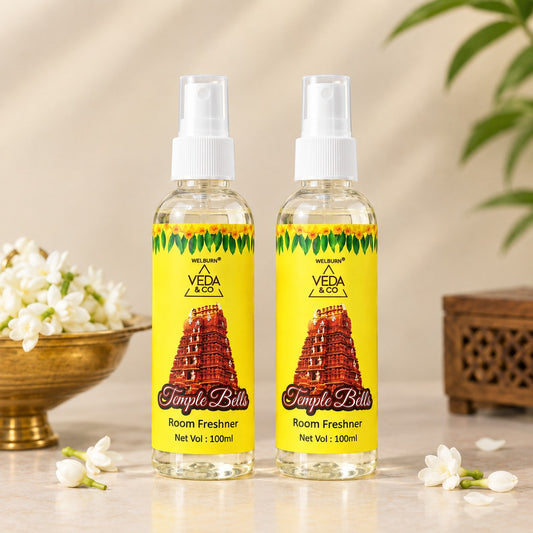
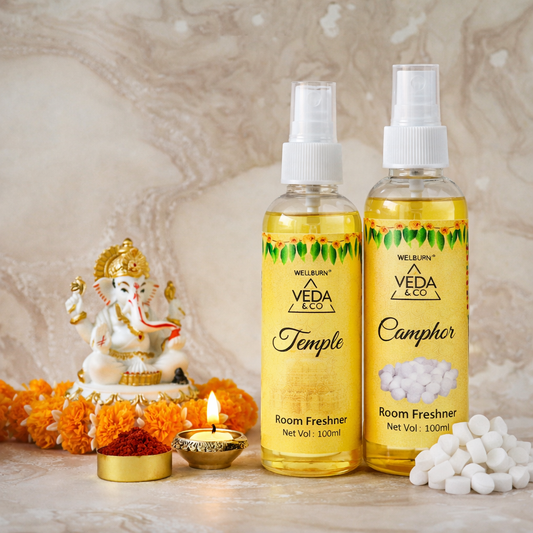
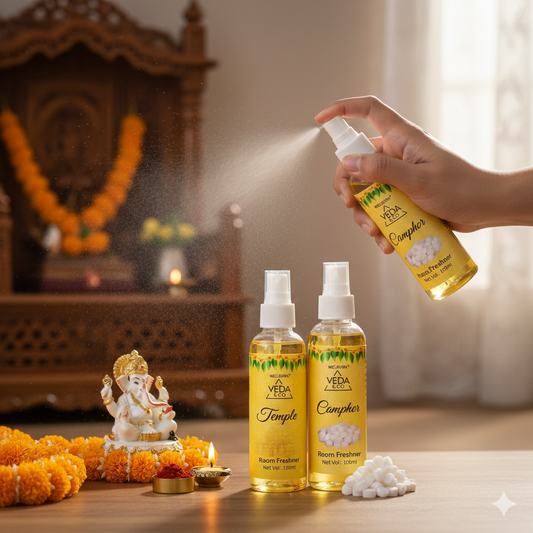
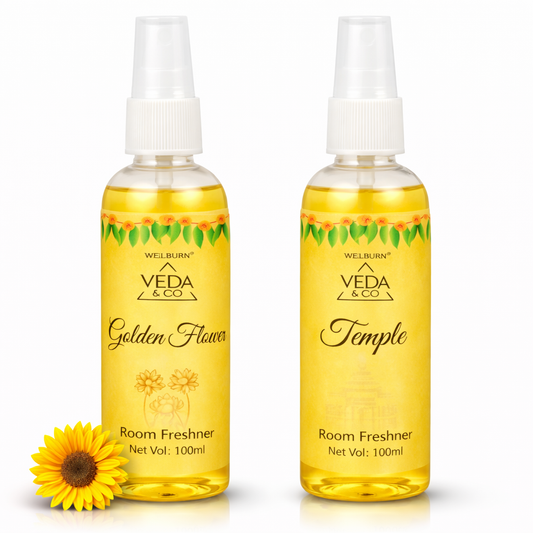
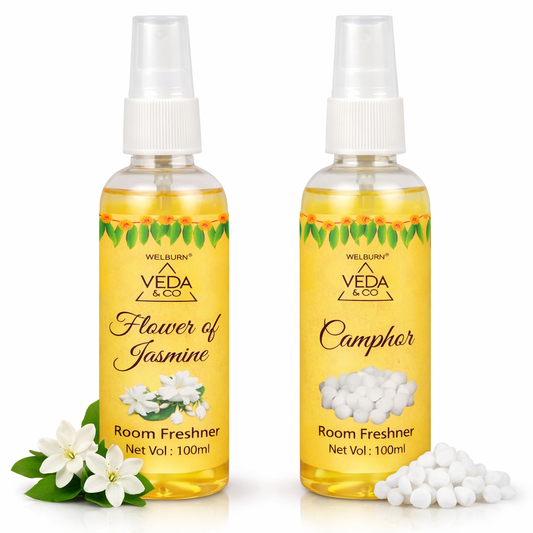
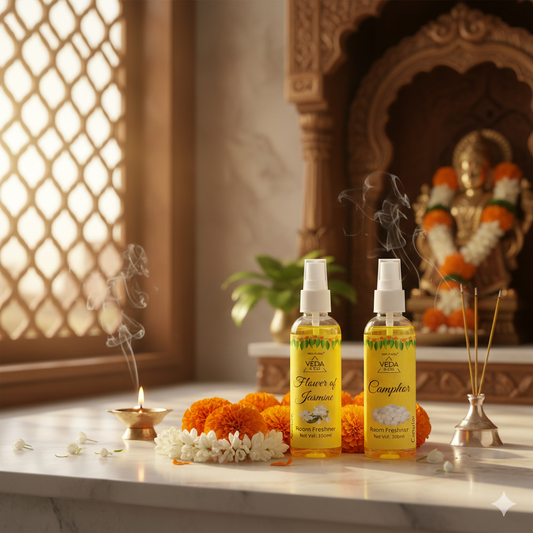
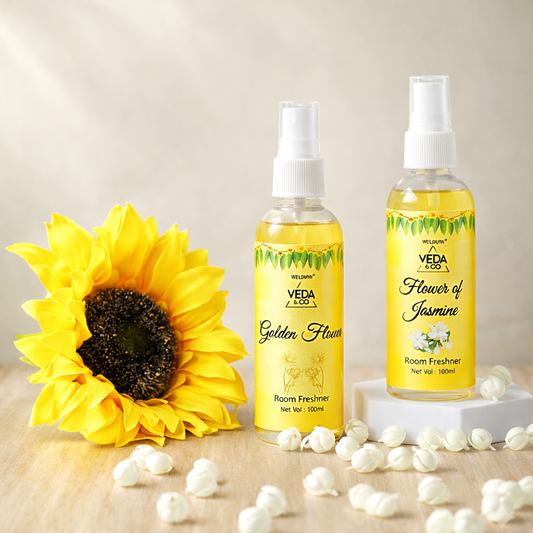
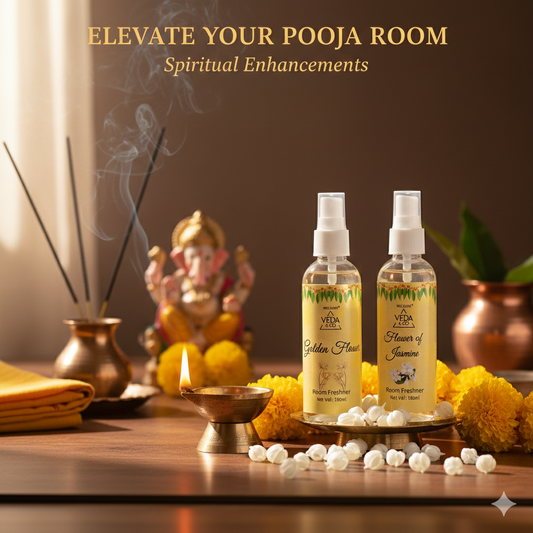
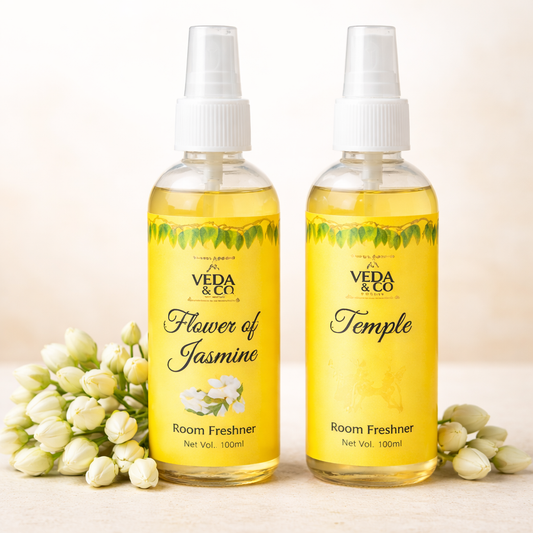
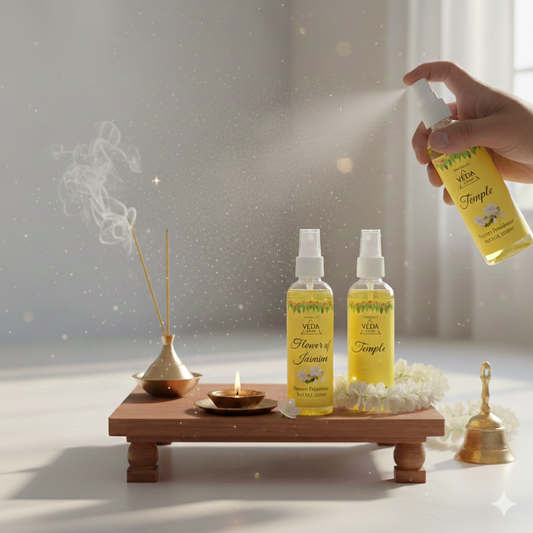
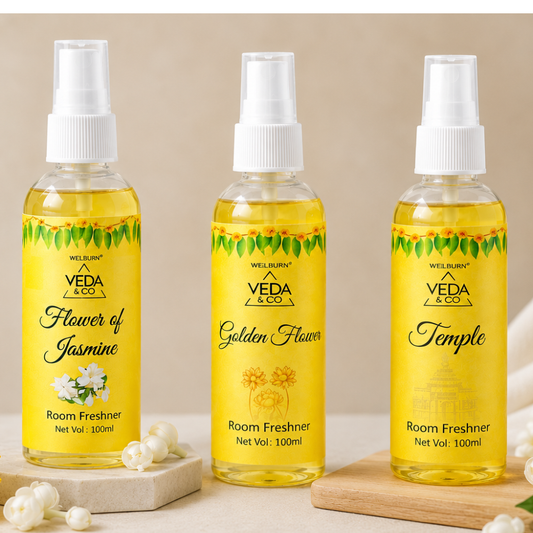
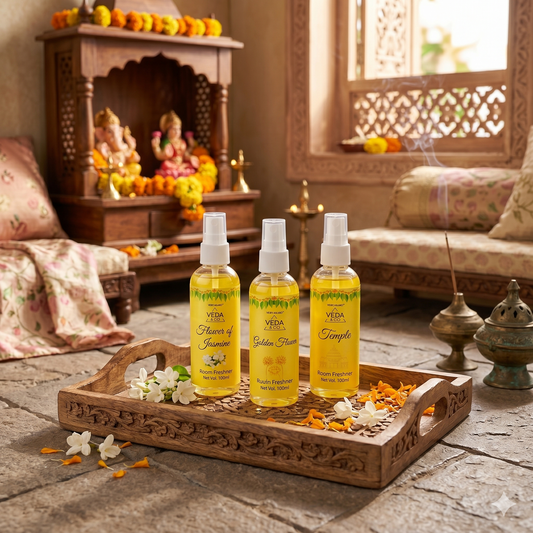
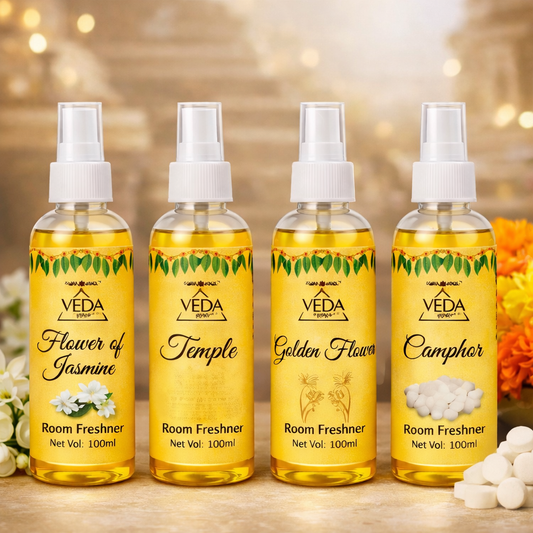
For a complete home puja atmosphere — visual flame from the diya, clean fragrance from the spray — pair your cow ghee diya with a Veda & Co puja spray in your preferred fragrance: Jasmine, Camphor, Golden Flower, or Temple.