Diya for Pooja: 5 Common Mistakes and How to Avoid Them
A diya for pooja that goes out mid-ritual, produces heavy smoke, or burns unevenly is almost always a result of an easily fixable problem. This guide covers the five most common diya mistakes and exactly how to address them — whether you are a first-time buyer or someone who has been lighting diyas for years.
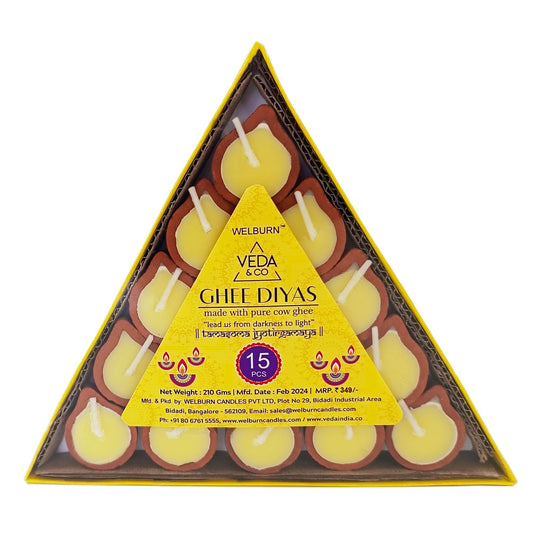
Veda & Co's ready-to-use diyas at vedaindia.co/collections/ghee-diya are designed to eliminate most of these issues from the start — but understanding why they happen helps you get the most from any diya.
Mistake 1: Placing the Diya in a Drafty Spot
This is by far the most common reason a diya for pooja extinguishes early. Even a slow-moving ceiling fan directly above the altar, a window left open nearby, or a door that creates a cross-draft when opened is enough to destabilise or extinguish a ghee diya flame.
- Fix: Position your diya against a wall or in a sheltered corner of your altar. If your puja space faces a window, keep it closed or at least partially covered while the diya is burning.
- For apartments with constant fan use in summer, try a low shelf position or a diya holder with slightly higher sides that shields the flame from indirect airflow.
Mistake 2: Placing the Diya on an Uneven Surface
A tilted diya causes the ghee to pool to one side of the well, leaving part of the wick base dry. The result is an uneven burn — the flame draws from the pooled side, burns quickly through that portion, and extinguishes when the dry side of the wick is reached.
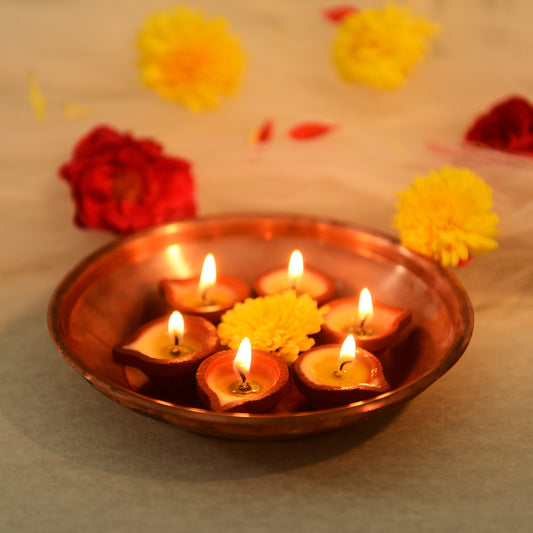
- Fix: Always place your diya on a flat, level surface. A flat metal thali works well. Check the diya is not rocking before lighting it.
- If your shelf surface is not fully level, a small piece of folded cloth or a level ceramic tile as a base corrects the angle.
Mistake 3: Using a Poor-Quality or Adulterated Ghee Diya
A diya for pooja filled with adulterated ghee — blended with vegetable oil or non-cow fats — burns inconsistently, produces more smoke, and often has a sharp or unpleasant smell during combustion. The EPA's indoor air quality research highlights that combustion of lower-quality fats produces more particulate matter than natural alternatives.
- Fix: Choose a verified pure cow ghee diya. Veda & Co's range clearly specifies pure cow ghee across all packs.
- If you are sourcing a loose diya and filling it yourself, ensure your ghee is genuine — golden-yellow colour, solidifies in cool temperatures, and has a warm nutty aroma when melted.
Mistake 4: Over-Handling the Diya Before Lighting
Ready-to-use diyas have a wick pre-positioned at the optimal depth. Repeatedly moving, adjusting, or pressing the wick shifts it from that position. A mispositioned wick draws ghee inconsistently and produces a weaker, less stable flame.
- Fix: Once you take a Veda & Co diya out of the pack, place it on your thali and light it without adjusting the wick. The wick is set correctly during manufacture.
- If a wick has shifted during storage, a single gentle correction with a dry fingertip — press the lower portion into the ghee and ensure the top is above the rim — is all that is needed.
Mistake 5: Ignoring the Puja Space Environment
A diya for pooja performs best in a clean, fresh-smelling space. A dusty, stale-air altar with accumulated incense residue and old flowers creates a less pleasant environment for daily worship and can contribute to inconsistent flame behaviour in very dusty conditions.
- Clean your altar surface every 2 to 3 days. Remove wilted flowers immediately.
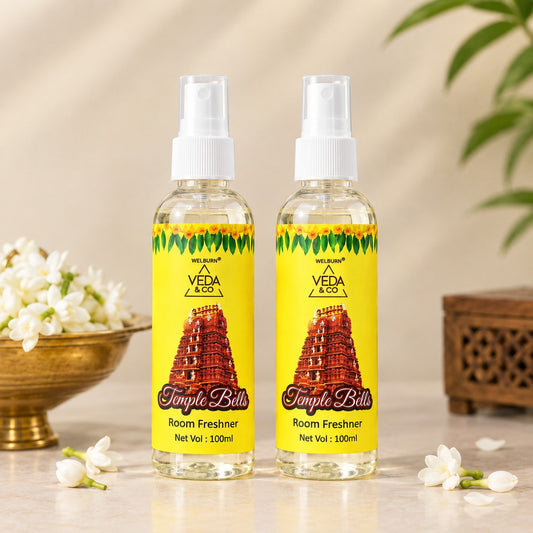
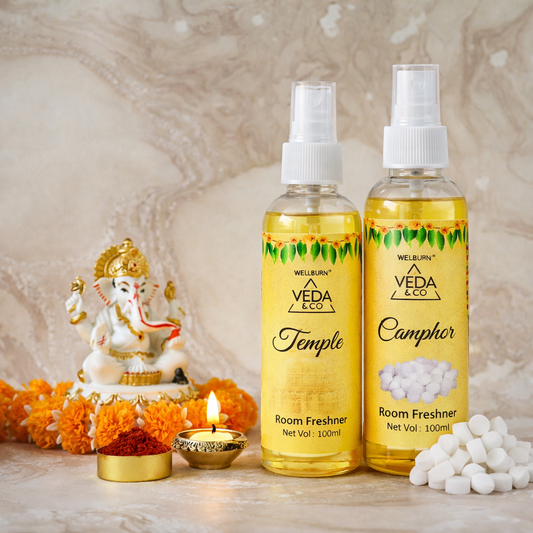
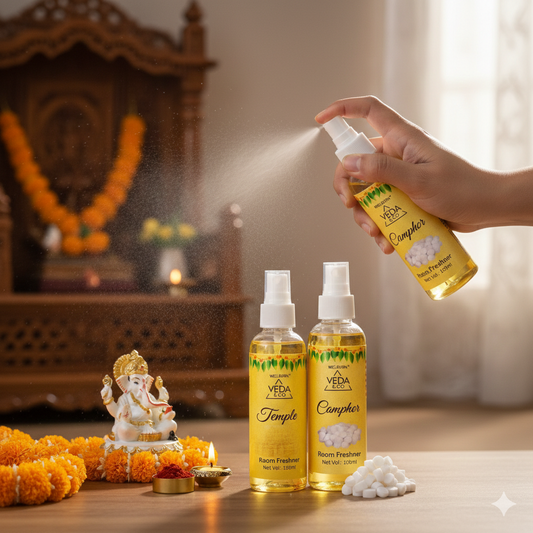
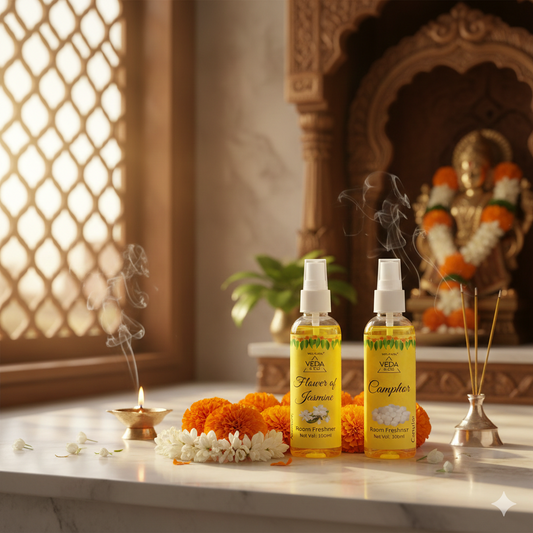
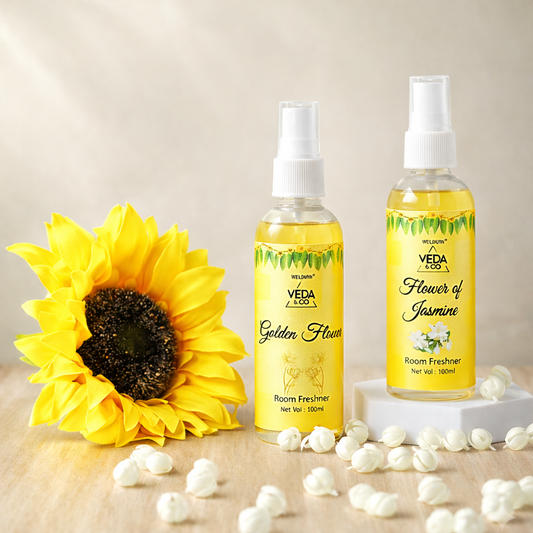
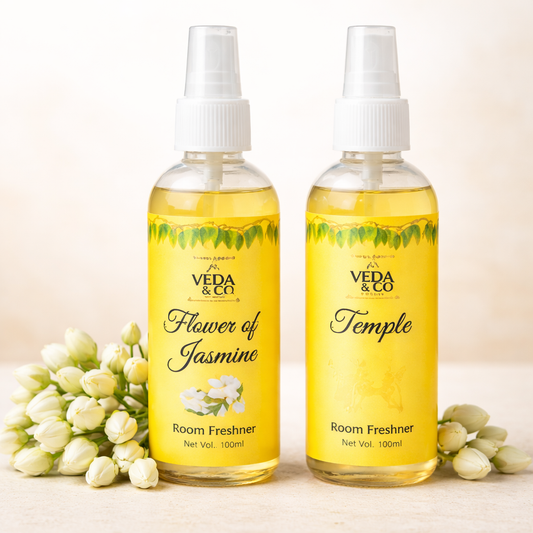
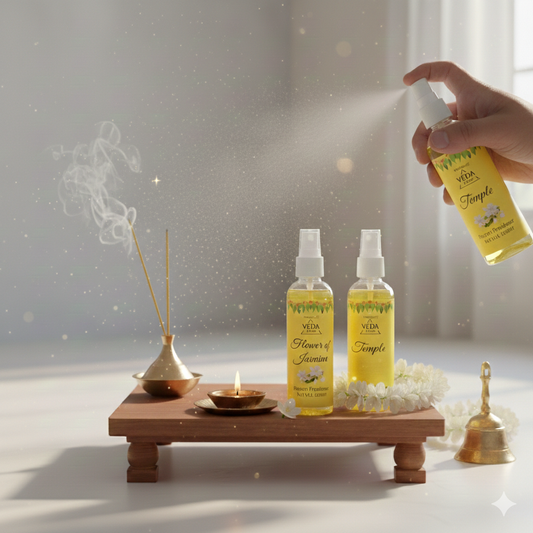
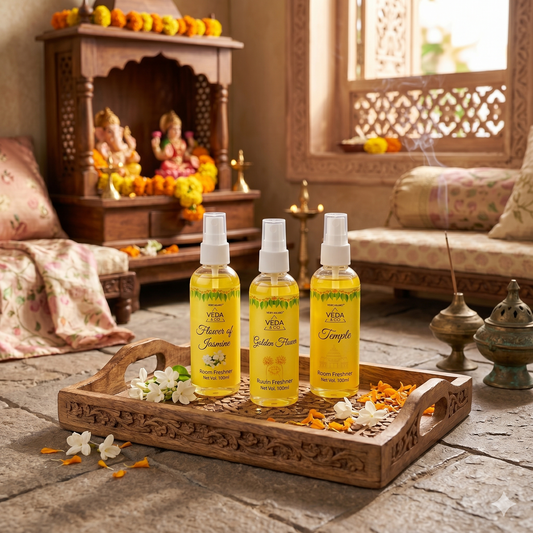
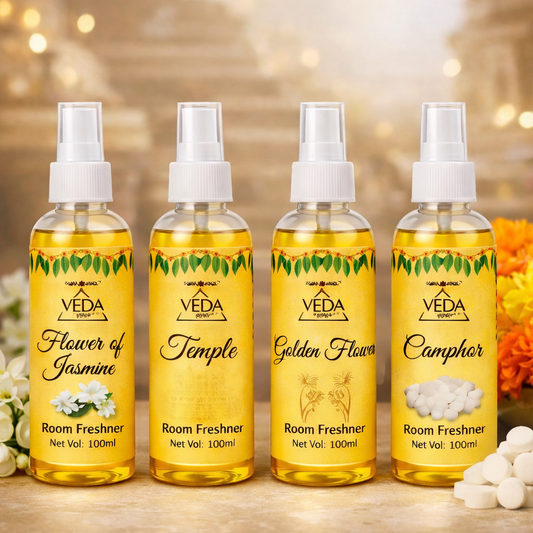
- A Veda & Co puja spray in Jasmine, Camphor, Golden Flower, or Temple fragrance used before lighting freshens the air and creates a noticeably more pleasant atmosphere. For tradition around clay craft that informs how clay diyas are made, the Crafts Council of India provides useful context.