Diya for Pooja: Why Consistency Matters More Than Occasion
The most common pattern in home puja practice is this: nothing for weeks, then an elaborate effort for a festival, then nothing again. Most people know intuitively that a simple, daily diya for pooja is more meaningful than a seasonal performance — but the daily version keeps slipping. This blog looks at why consistency outperforms occasion, and what makes it practical to actually achieve.
The Problem With Occasion-Only Puja
Festival-only puja creates a cycle where your home altar only comes to life a few times a year. The rest of the time it collects dust, becomes a surface for other items, and stops feeling like an active part of the home. When the festival arrives, there is pressure to set everything up correctly, do it elaborately, and compensate for months of absence. This is exhausting and, over time, makes puja feel like a performance rather than a practice.
What Consistency Actually Looks Like
Consistency in a diya for pooja practice does not mean a full elaborate ritual every day. It means a small, repeatable action — one diya, lit daily, on a clean surface, for 50 to 55 minutes. Nothing more is required. James Clear's work on habit formation consistently points to the power of 'minimum viable actions' in habit building — the smallest action that counts as doing the thing.
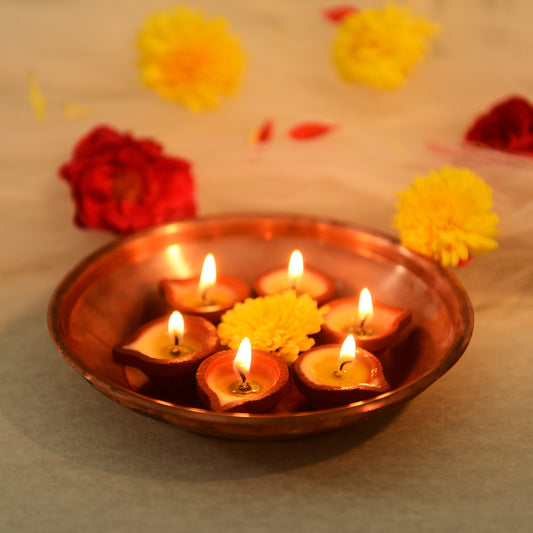
For a diya for pooja habit, the minimum viable action is: take one diya out of the pack, place it on your thali, light it. That is it. Everything else — prayer, offerings, incense, mantra — is optional and can build naturally over time.
Why Veda & Co's Ready-to-Use Format Supports Consistency
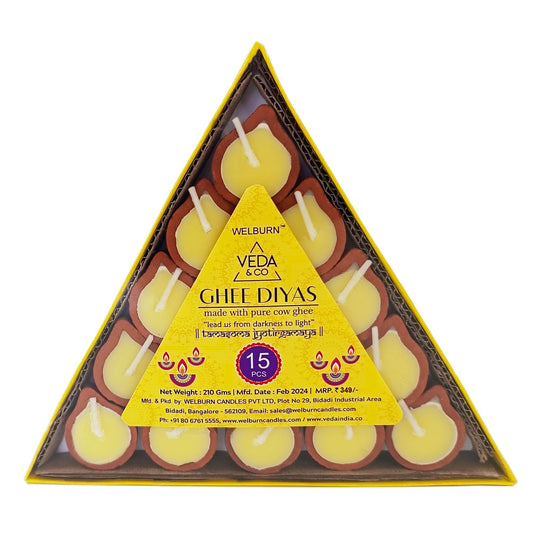
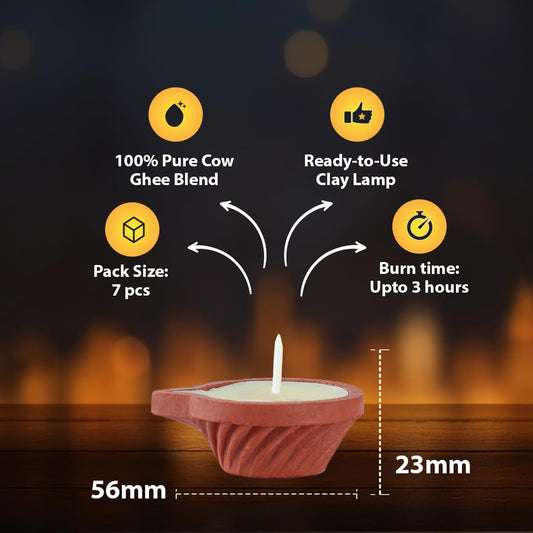
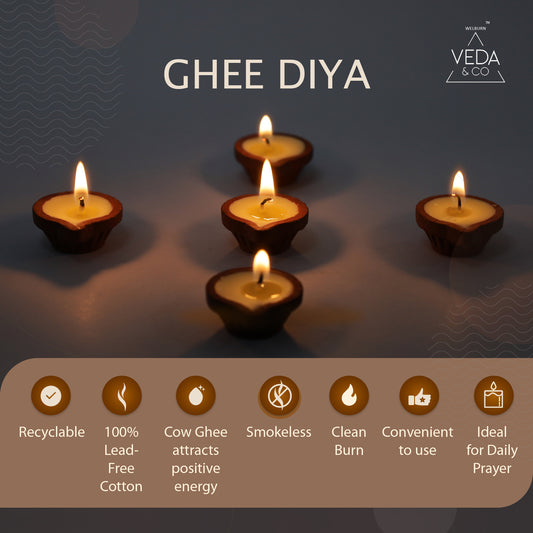
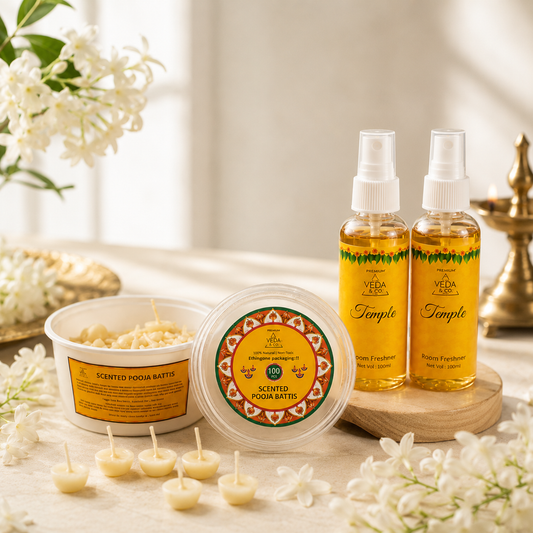
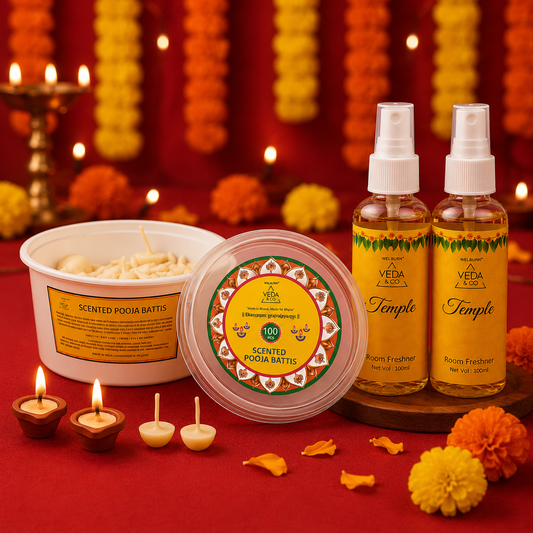
The ready-to-use format is not just a convenience feature — it is directly relevant to habit consistency. Every additional step between intention and action reduces the probability of action. A traditional loose-diya setup has multiple steps before lighting. Veda & Co's packed diya has one: light it.
- The 30-piece and 60-piece packs give you a month or two of daily stock without reordering — removing another friction point.
- Keeping the pack next to your altar means it is always in reach.
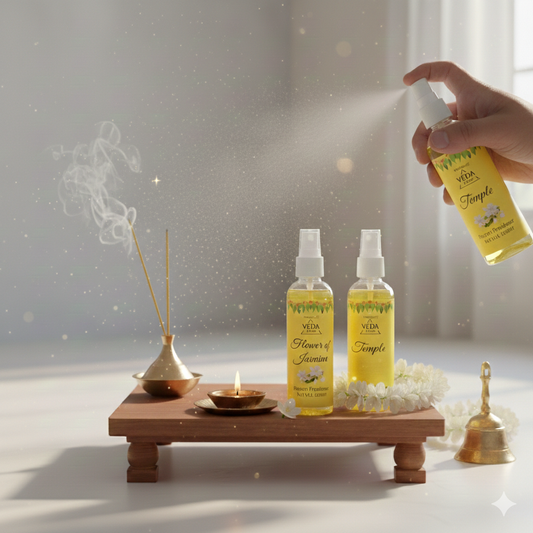
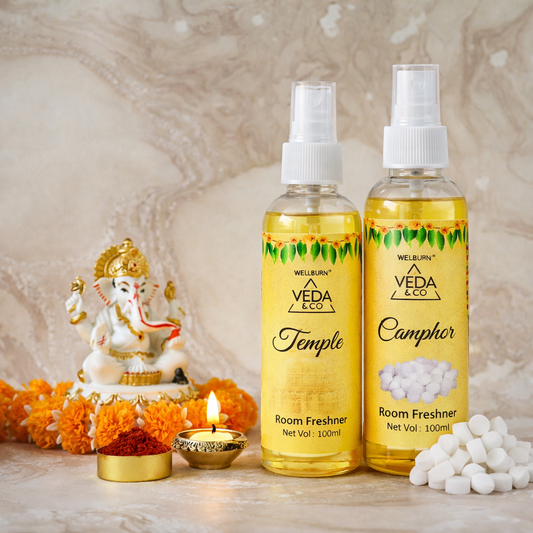
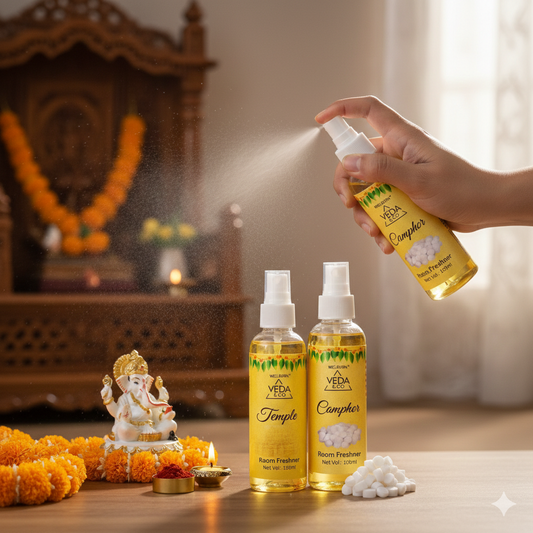
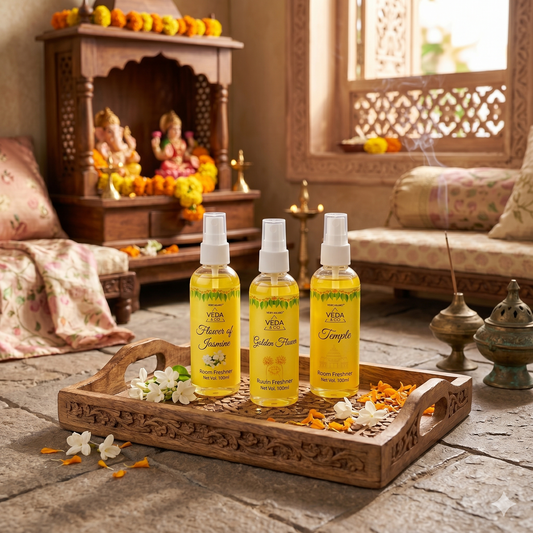
- A Veda & Co puja spray adds a second sensory action (one spray before lighting) that takes two seconds and makes the space feel different — reinforcing the habit's value each day.
Research from Psychology Today on daily ritual and wellbeing notes that brief, consistent rituals create measurable reductions in daily anxiety and increases in feelings of control and purpose.
When a Festival Comes
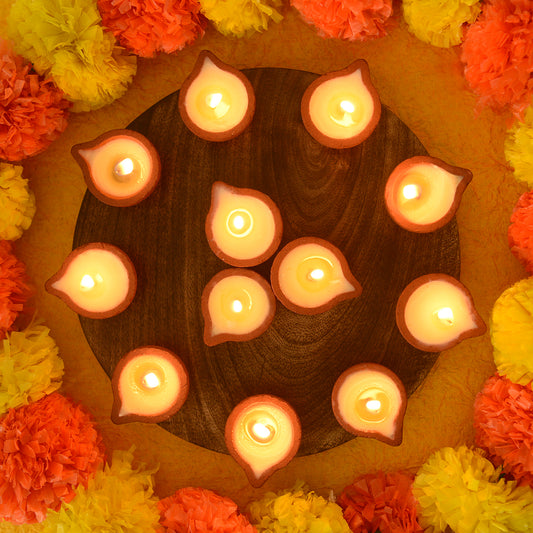
When you already have a daily diya habit, festivals become a natural expansion of something you already do rather than a once-a-year event you have to prepare for. Your altar is clean, your pack is stocked, and the main difference on a festival day is quantity — more diyas, in more places, for longer. The 60-piece and 7-piece packs handle the quantity side without any new preparation.
Frequently Asked Questions
Q: What if some days I genuinely cannot light a diya?
A: Missing a day is not a failure of the practice. The goal is a long-run pattern of consistency, not an unbroken record. Simply resume the next day without treating the missed day as significant.
Q: Is one diya per day genuinely enough for a daily puja practice?
A: Yes. One diya lit with genuine intention daily is a meaningful practice by any measure. The number of diyas, length of prayer, or elaborateness of the altar are personal choices that can grow over time.
Q: How do I stop my altar from accumulating clutter over time?
A: A simple rule: only what you use daily stays on the altar. Festival items get added for the festival and removed afterward. Regular flowers get replaced when they wilt. The altar should feel like an active space, not a storage surface.
Q: Does the fragrance from the puja spray help with consistency?
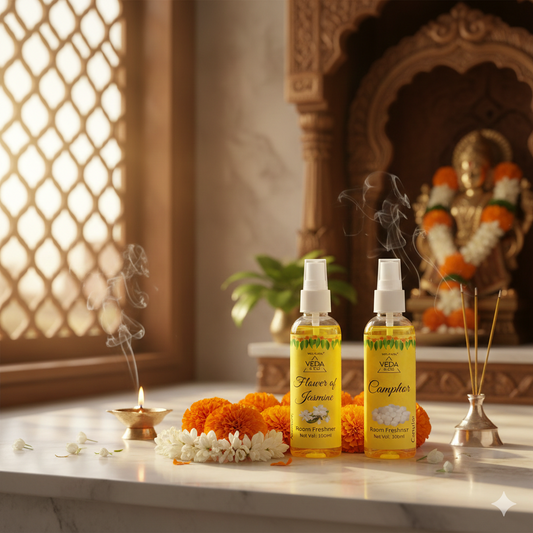
A: Many people find that a scent associated with a ritual makes that ritual easier to begin — the fragrance becomes a cue. Spraying your puja space before lighting the diya creates a sensory trigger that, over time, helps signal the start of your practice.