Diya for Pooja: Best Placement Tips According to Vastu Shastra
In Vastu Shastra — the ancient Indian science of sacred architecture — every object in your home carries energy, and its placement determines the quality and direction of that energy. This is especially true for your diya for pooja. Where you place your diya affects not just the ritual but the flow of divine energy throughout your entire home. At Veda & Co, we blend traditional knowledge with beautiful, functional design so your diya serves both purpose and principle.
The Northeast Direction: The Sacred Corner
According to Vastu Shastra, the northeast (Ishaan Kone) is the most sacred direction in any home. This is the direction of divine wisdom and spiritual energy, governed by the element of Water and the deity Shiva. Your home mandir should ideally be located in the northeast, and the diya should be placed at the northeast or east side of the altar.
Lighting a ghee diya in the northeast fills this sacred corner with divine light and amplifies the positive energy flowing from this direction into the rest of your home.
Direction of the Diya Flame
The flame of your diya should ideally face east during morning prayers (as the sun rises in the east, carrying solar energy into your puja) and north during evening prayers (north is the direction of Kubera, lord of wealth, making an evening diya in the north particularly auspicious for prosperity).
Diya Placement for Specific Intentions
- East — Health and Vitality: A diya lit facing east promotes physical wellbeing and mental clarity. Ideal for morning puja.
- North — Prosperity and Career: Light your diya facing north in the evening for financial growth and professional success.
- Northeast — Spiritual Growth: The combination of north and east, this direction is for those seeking deeper spiritual development and enlightenment.
- West — Children and Creativity: Lighting a diya facing west is said to support children's education and creative endeavours.
What to Avoid: Vastu Don'ts for Diya Placement
- Avoid placing diyas in the south, which Vastu associates with Yama (the lord of death) and is considered inauspicious for fire rituals in the living areas of the home.
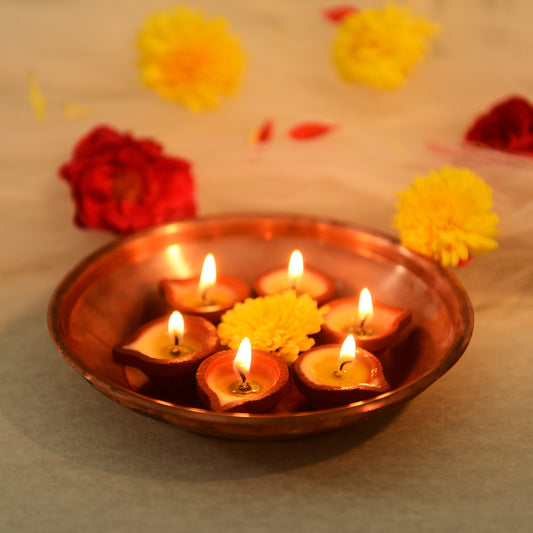
- Do not place a diya directly on the floor without a stand or platform — always elevate it on a thali or altar platform.
- Avoid cluttered, dark, or dusty corners for diya placement. The area around your diya should always be clean and open.
- Never place your diya near a mirror that reflects the flame in a way that creates multiple images — this can destabilise the energy of the ritual.
Creating the Ideal Vastu-Compliant Pooja Space
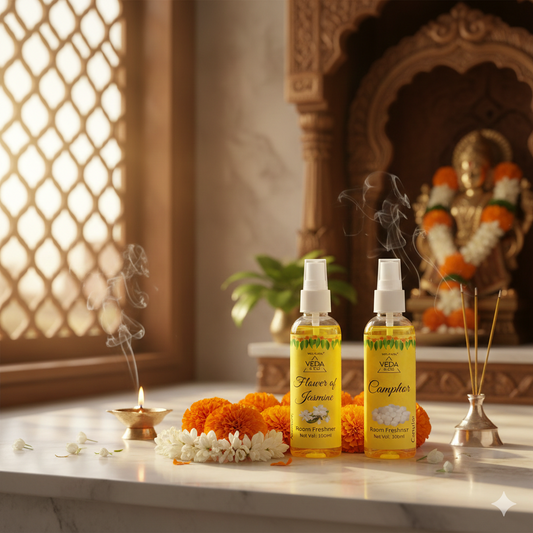
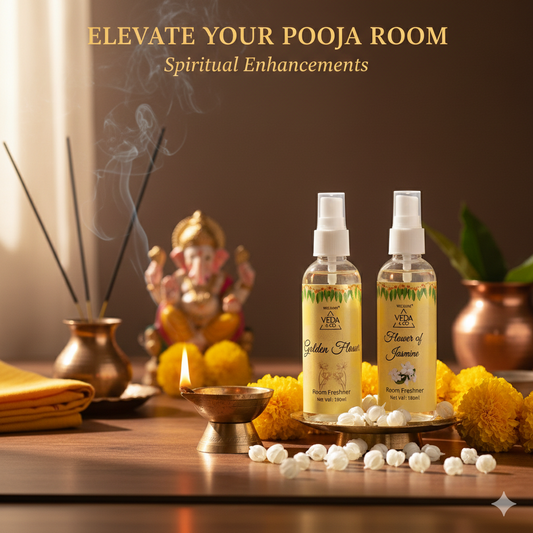
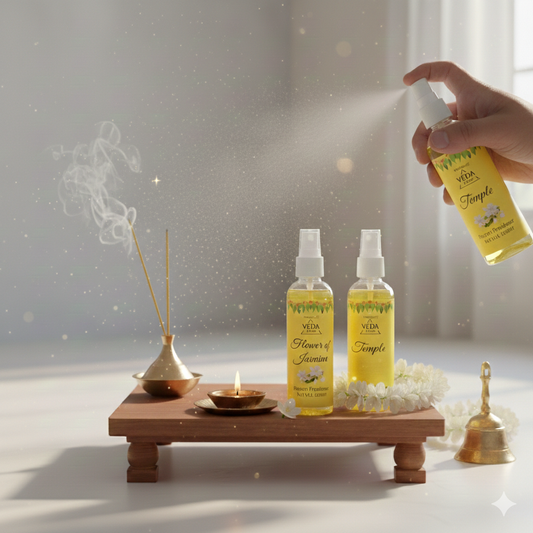
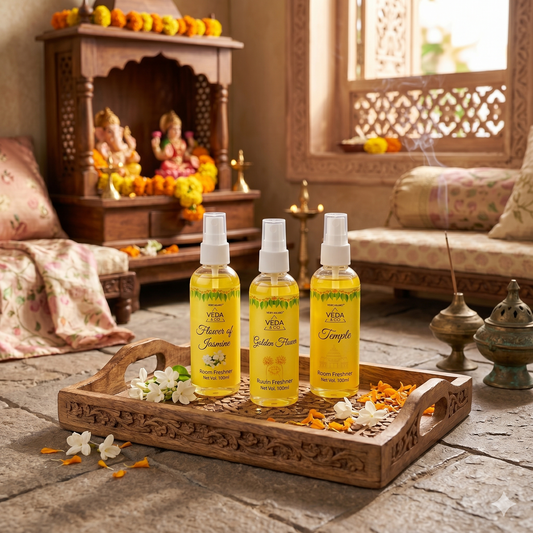
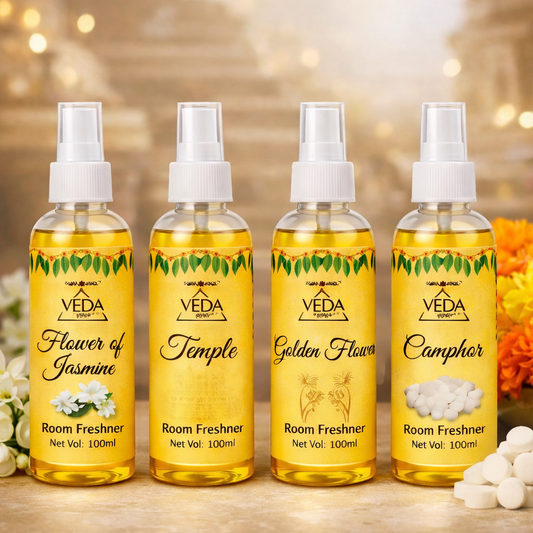
A complete Vastu-aligned pooja space includes a ghee diya as the centrepiece, combined with pure floral offerings, an incense holder, and a sacred room mist for purification. Our pooja spray is designed to be sprayed in all four cardinal directions before commencing puja — a modern ritual act that aligns beautifully with Vastu principles of purifying all directions before worship. Read about how to use a pooja spray effectively in our guide on puja spray for sacred spaces.
Frequently Asked Questions
Q: Can I place my diya in the kitchen?
A: Yes. The kitchen is traditionally considered sacred in many Indian homes (associated with Annapurna, the goddess of food). A small diya in the kitchen's northeast corner or near the cooking area is auspicious and welcoming.
Q: Is it okay to have my pooja room in the bedroom?
A: While a dedicated pooja room is ideal, many apartments only allow for a corner altar in the bedroom. If so, place the altar and diya in the northeast corner of the bedroom, ensure cleanliness, and keep it separated from the sleeping area.
Q: Does the height of the diya matter in Vastu?
A: Generally, the diya should be at least at chest height when seated (typical altar height). Diyas placed too low on the ground or too high above eye level are considered less effective in Vastu terms.
Q: Can I have multiple diyas in different rooms?
A: Absolutely — spreading divine light through multiple rooms is considered highly auspicious. A small ghee diya or lamp in the main entrance, kitchen, and puja room simultaneously is a beautiful Vastu practice.