Ghee Diya in Summer: How Heat Affects Your Diya and What to Do
If you light a ghee diya daily and live in India, summer is a season worth paying attention to. Temperatures above 30°C change how pure cow ghee behaves — it liquefies faster, distributes differently inside the clay diya, and affects how the flame performs. This guide covers what changes and what to do about it.
Veda & Co's ready-to-use cow ghee clay diyas are available at vedaindia.co/collections/ghee-diya.
Why Summer Affects Ghee Diya Performance
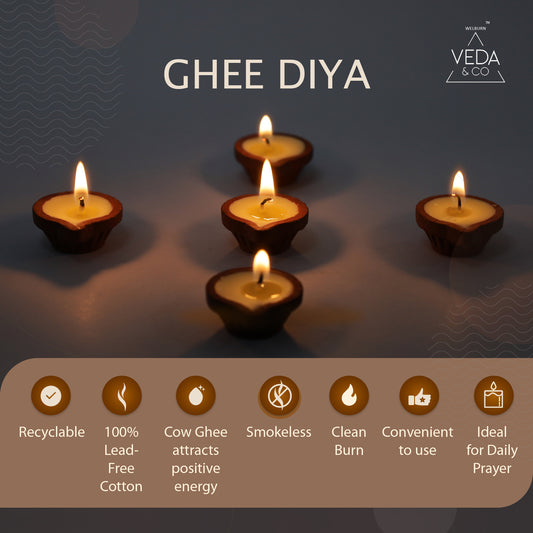
Pure cow ghee is solid at temperatures below approximately 20°C and liquid above it. In Indian summers, ambient room temperatures regularly reach 32 to 40°C, which means the ghee inside your diya is already fully liquid before you light it. This has a few practical effects:
- The ghee may settle slightly differently within the clay well, particularly if the diya is stored tilted or in a warm spot.
- A pre-liquefied ghee diya can feel slightly messy to handle — tipping it or pressing the wick may cause small spills.
- The burn, once lit, may feel marginally more active initially in warm conditions because the ghee is already at or above its melting point.
Storage in Hot Weather
Heat is the main variable to manage for storage during summer months:
- Store your ghee diya packs in the coolest spot in your home — a shelf inside a room with a fan or air conditioning, a low kitchen cabinet away from the stove, or an interior room that receives less direct sun.
- Avoid storage in rooms that get very warm during the day — balcony shelves, near windows, or in a car.
- Keep packs flat and sealed. In high heat, a pack stored on its side may allow liquid ghee to shift and pool, which can slightly displace the wick in individual diyas.
The science behind how fats behave with temperature change is covered clearly at Britannica's reference on fats and oils.
Using Your Ghee Diya in Summer
When lighting in summer conditions:
- Handle the diya carefully — the ghee inside is fully liquid and will spill if the diya is tilted after being removed from the pack.
- Place it on a flat surface immediately and light it. Avoid carrying a summer-warmed diya any distance before placing it securely.
- If your puja room gets very hot in summer, consider lighting your diya in the early morning before peak heat hours — the room is cooler and the flame is steadier.
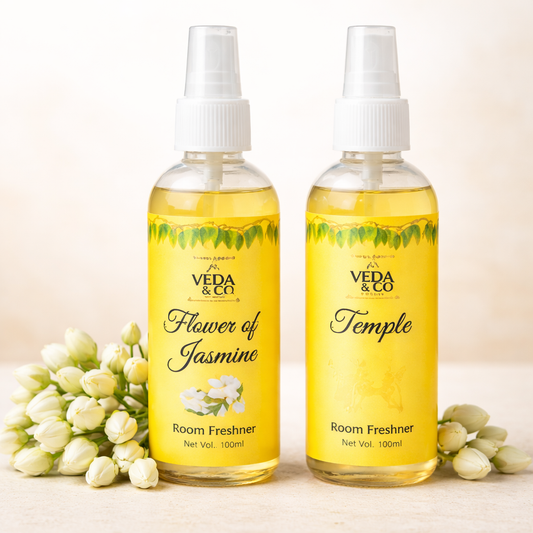
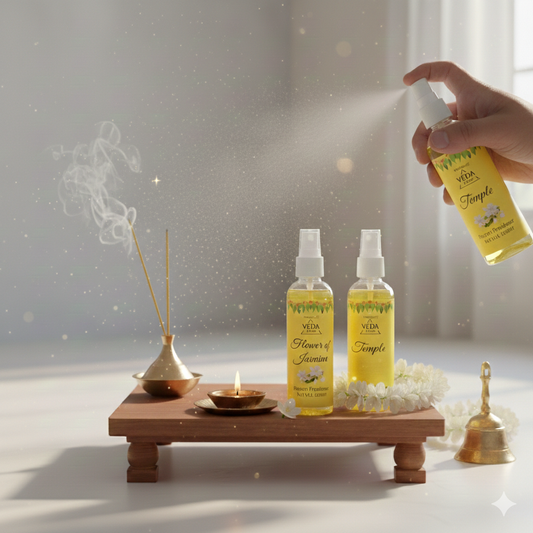
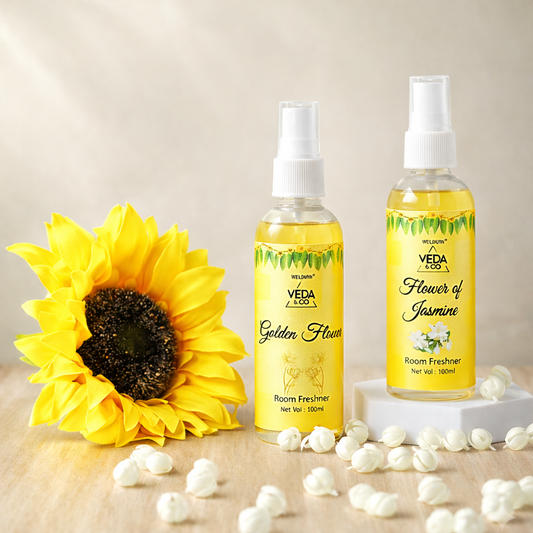
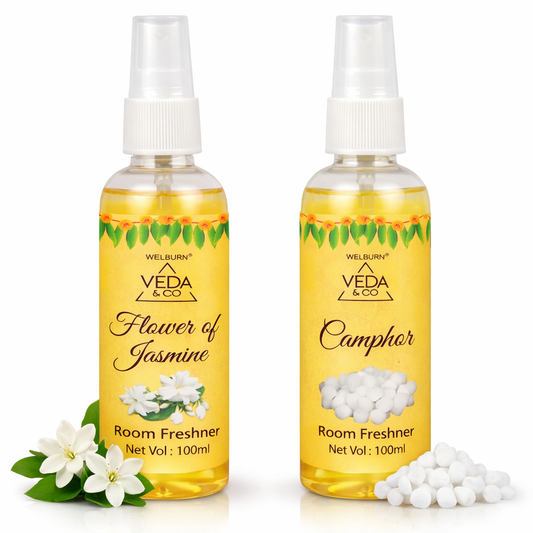
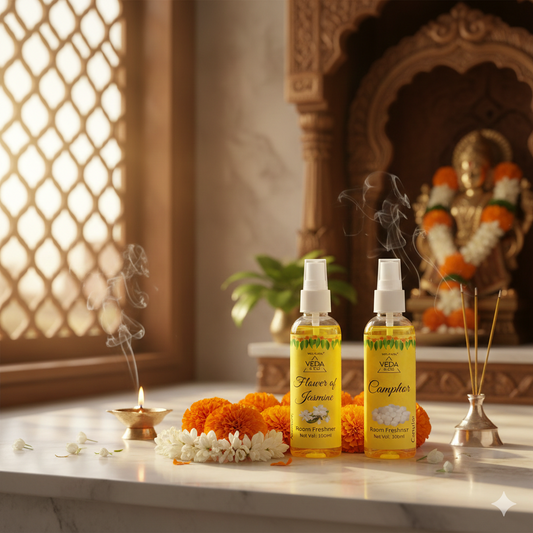
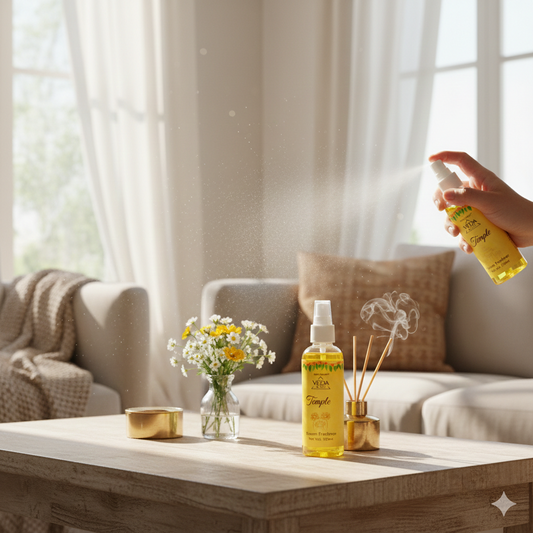
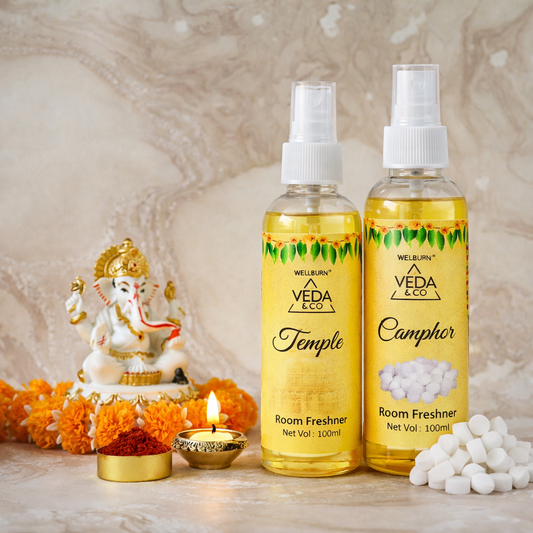
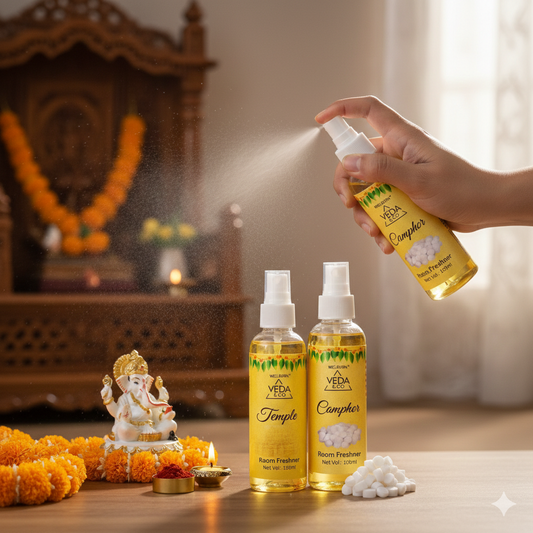
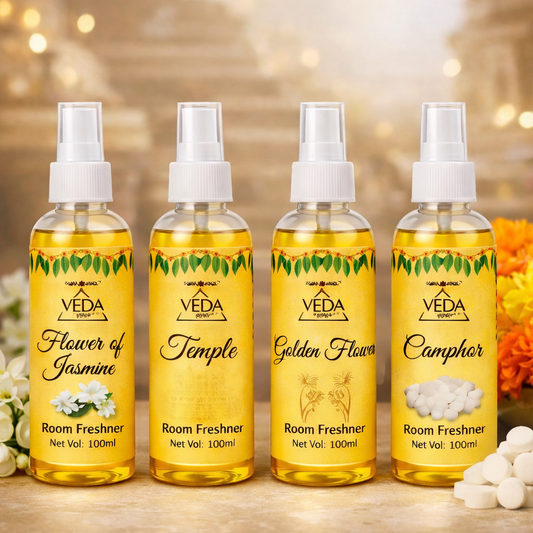
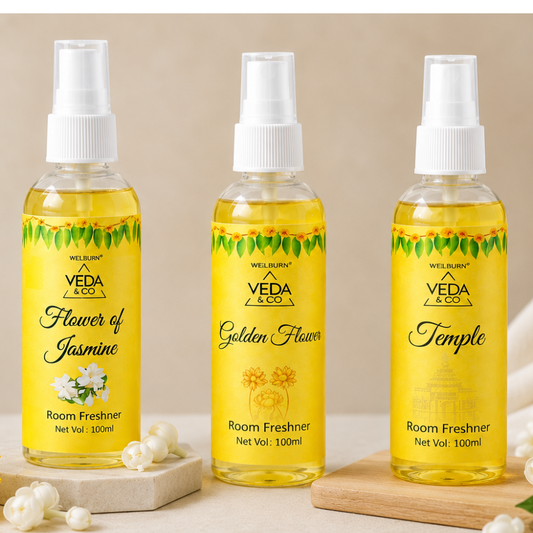
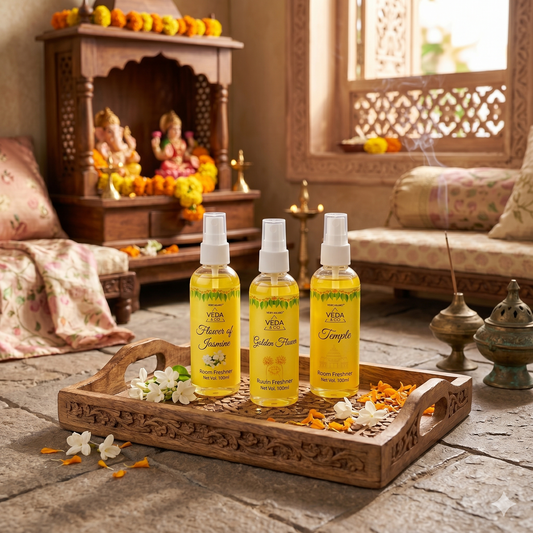
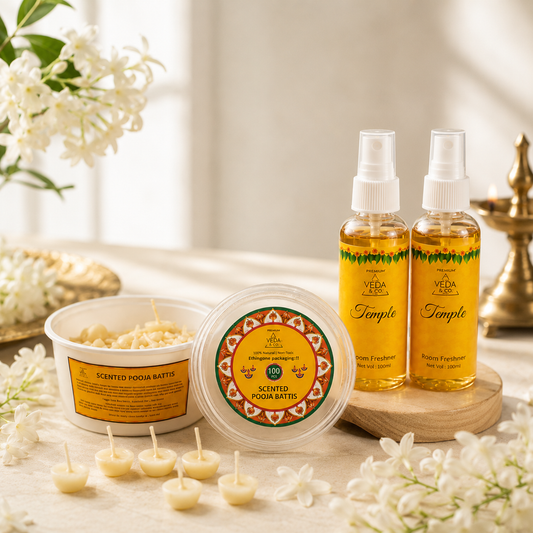
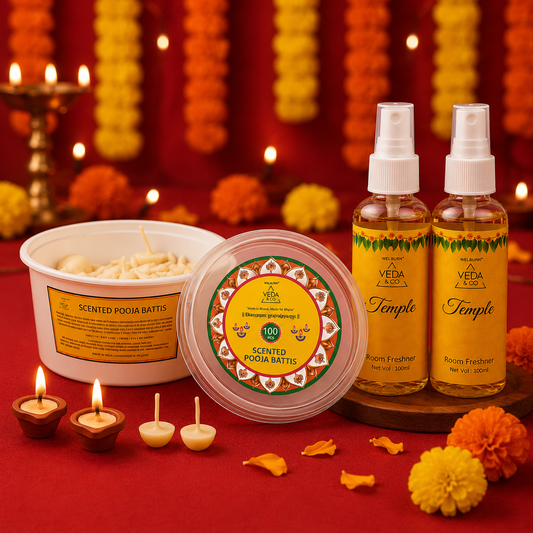
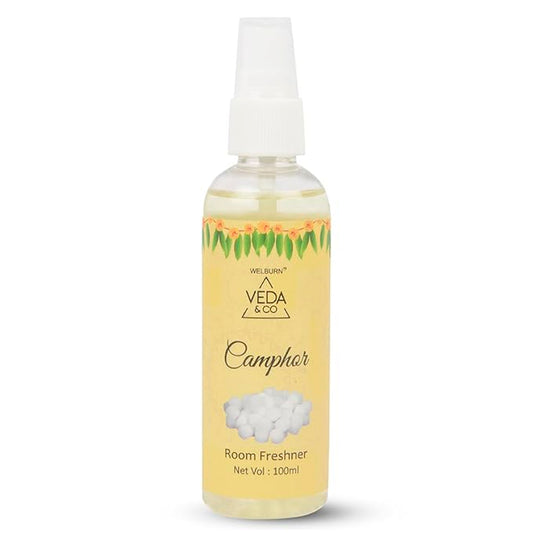
- A Veda & Co puja spray used before lighting is particularly pleasant in summer — the Jasmine or Camphor fragrance freshens a warm room quickly before the diya is lit.
Does Summer Change Burn Time?
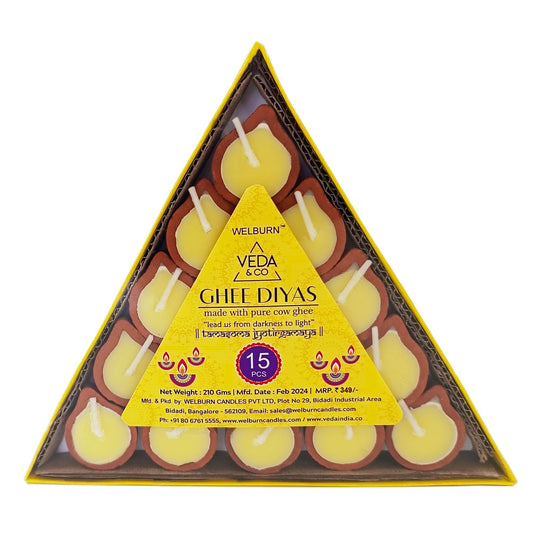
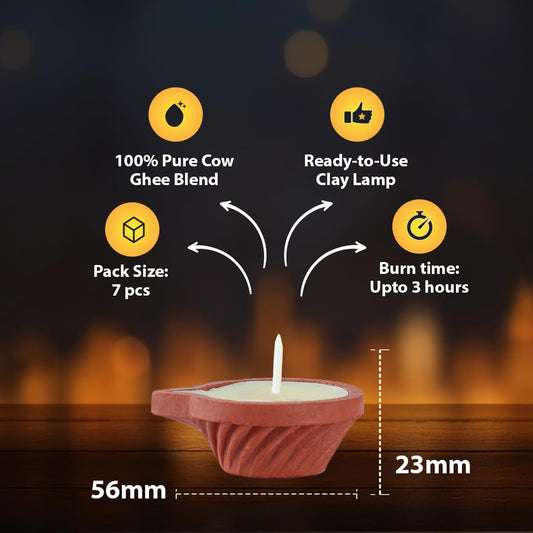
In normal indoor conditions, the burn time stated on the pack remains accurate regardless of season. Ambient temperature at normal indoor levels does not meaningfully shorten or extend the 50 to 55-minute burn for the 15, 30, and 60-piece packs, or the 3-hour burn for the 7-piece pack. Drafts from fans and open windows — more common in summer — are the main cause of shorter-than-expected burns. Position your diya away from direct airflow.
For home organisation tips in Indian summer conditions, Better Homes & Gardens India offers practical seasonal room-care advice.
Frequently Asked Questions
Q: My ghee diya looks different in summer — the ghee appears runnier. Is it still good to use?
A: Yes — liquid ghee in a summer-warm diya is completely normal and does not affect quality or burn performance. Pure cow ghee liquefies at room temperature above approximately 20°C. Simply place on a flat surface and light as usual.
Q: Can I store my ghee diya packs in the refrigerator in summer?
A: You can, but it is not necessary and adds handling effort. The ghee will re-solidify and then re-liquefy when you bring the diya out. Room-temperature storage in a cool indoor spot is perfectly sufficient.
Q: The wick in one of my summer-stored diyas has shifted. Can I still use it?
A: If the wick has shifted slightly, gently press it back into the ghee with a dry fingertip — ensure the lower portion is submerged and the top is just above the rim. If fully dislodged, that diya may not burn as intended.
Q: Do I need a different pack for summer use?
A: No — the same packs work across all seasons. The only practical adjustment is storage location and careful handling when the ghee is fully liquid.