How to Use Cow Ghee Diya the Right Way: Lighting, Placement, and Daily Ritual
Lighting a diya seems simple enough that most people never think twice about how they're doing it — until a flame gutters out mid-aarti, or a diya burns unevenly and finishes early. A diya) is a small object, and small handling details make a bigger difference to how it performs than most people expect.
Placement Before Lighting
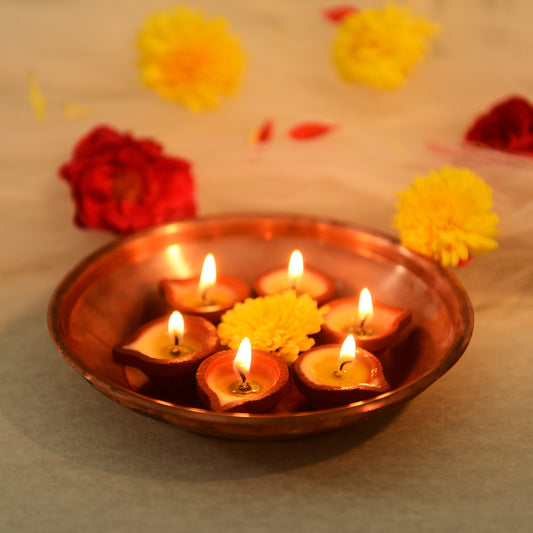
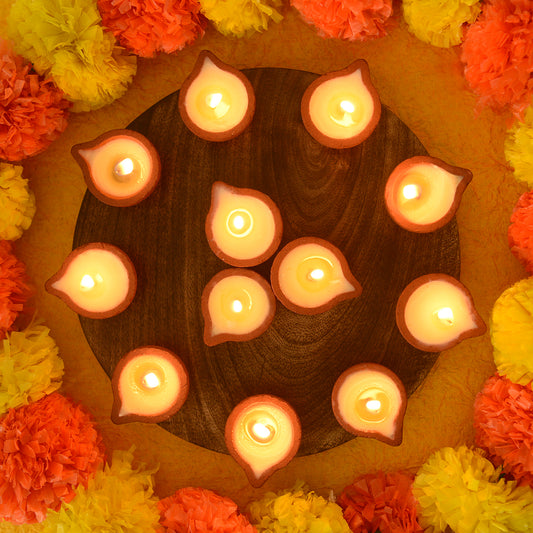
Drafts are the single biggest cause of an inconsistent flame. Position the diya away from open windows, fans, or doorways with regular foot traffic, on a stable, flat, heat-safe surface — a puja room altar or a dedicated thali works well. Grouping several diyas together, as with our Pure Cow Ghee Diya | 7 Pieces | Up to 3 Hours, also benefits from a slightly wider spacing than feels necessary, so each flame has clean airflow rather than competing with its neighbors.
Lighting Technique
Light the wick at a slight angle rather than straight down, holding the flame source close to the wick tip for a second or two longer than feels needed — a ghee-soaked wick catches more gradually than a dry one and benefits from a patient light rather than a quick touch-and-go.
Handling the Flame Once Lit
Resist the urge to move a lit diya immediately after lighting — let the flame stabilize for 15-20 seconds first. If you do need to carry it (for a walking aarti, for instance), move slowly and keep the diya level to avoid ghee spilling over the rim.
Choosing the Right Pack for Your Ritual
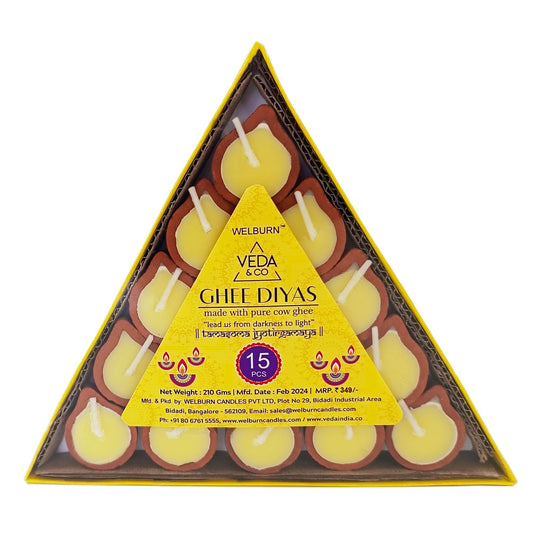
Different rituals call for different burn durations. A quick daily aarti suits a shorter-burning option like our Pure Cow Ghee Diya | 30 Pieces | Up to 45 Minutes Burn Time, while a longer evening puja or an extended vigil is better matched to the Pure Cow Ghee Diya | 15 Pieces | 50-55 Minutes Burn Time, or the longest-burning 7-piece option for occasions where the diya needs to stay lit for hours.
Building Placement Into a Daily Routine
Many households find it easier to sustain a daily diya ritual by keeping a fixed spot on the altar reserved specifically for it, rather than deciding placement fresh each day — consistency in the small physical details tends to support consistency in the ritual itself.
Pairing With Ghee Batti
For puja setups that use both a diya and a wick-based batti, our Ghee Batti collection offers a complementary option for altars or occasions calling for more than one lit element.
Using a Cow Ghee Diya During Havan
A havan requires a somewhat different setup from a standard daily pooja. Since the ceremony involves a sacred fire in a havan kund, the arrangement of additional diyas should take into account both the ritual setting and practical safety.
How Diyas Are Used During a Havan
Rather than using just one diya, some havan ceremonies may involve multiple diyas placed around the havan kund or altar. These can help define the ritual space and provide additional illumination.
The exact arrangement can vary depending on the tradition, ceremony, and family or priest's practice.
Choosing a Suitable Burn Time
Havan ceremonies can take longer than a typical daily aarti, so choosing a diya with an appropriate burn time can be convenient.
For longer ceremonies, the 7-piece option, with a burn time of up to 3 hours, may be more suitable than packs designed for shorter daily use, such as 30- or 60-piece options.
Choosing the right pack allows you to plan the number of diyas needed without having to replace them frequently during the ceremony.
Safety Considerations During a Havan
Because a havan already involves an open fire and may include additional offerings that are burned during the ceremony, extra care should be taken when positioning diyas.
Keep in mind:
-
Place each diya on a stable, heat-resistant surface.
-
Maintain adequate space between the diyas and the havan kund.
-
Keep diyas away from loose clothing, curtains, paper, flowers, and other flammable materials.
-
Ensure the area has adequate ventilation, especially when the ceremony is conducted indoors.
-
Never leave burning diyas or the havan fire unattended.
-
Follow the instructions of the person conducting the havan regarding the placement and use of diyas.
Making Your Havan Setup Practical
A well-planned diya arrangement can complement the atmosphere of a havan without interfering with the ceremony itself. By selecting a burn time that matches the duration of the ritual and maintaining sufficient space around each flame, you can keep the setup both traditional and practical.
Going Further
Once your daily lighting routine is settled, a few related questions come up often. If you're unsure which pack size actually fits your household's puja frequency, see Cow Ghee Diya Pack Sizes Explained. If you're curious how a ghee diya compares to a traditional oil lamp, Cow Ghee Diya vs Oil Diya covers the difference. And for weddings, housewarmings, or other special occasions, Cow Ghee Diya for Special Occasions walks through what to plan for.
Browse the complete Ghee Diya collection to find the right pack for your ritual.
Frequently Asked Questions
What is the correct way to light a cow ghee diya?
Light the wick at a slight angle, holding the flame close for a second or two longer than feels necessary since a ghee-soaked wick catches more gradually than a dry one. Let the flame stabilize for 15-20 seconds before moving it.
Where should a diya be placed during puja?
On a stable, flat, heat-safe surface away from drafts like open windows, fans, or doorways with regular foot traffic, which are the most common cause of an inconsistent or gutting flame.
Can a lit diya be carried during an aarti?
Yes, but move slowly and keep it level to avoid ghee spilling over the rim, and only after the flame has had 15-20 seconds to stabilize after lighting.
How do I keep a daily diya ritual consistent?
Keeping a fixed spot on the altar reserved specifically for the diya, rather than deciding placement fresh each day, tends to support a more consistent daily practice.