Puja Spray Before Meditation: How Room Fragrance Improves Focus
Fragrance is one of the most reliable environmental cues for shifting mental state. Using a puja spray before meditation creates a consistent scent signal that, over time, becomes associated with the meditative state — making it easier to access focus and stillness each session. This guide covers the science behind it and which Veda & Co fragrance suits meditation best.
Browse the range at vedaindia.co/collections/pooja-spray.
Why Fragrance Works as a Meditation Cue
The olfactory system has a direct pathway to the limbic system — the part of the brain responsible for emotional response, memory, and attention. This makes smell one of the fastest sensory routes to a particular mental state. Research published in Frontiers in Neuroscience has documented how specific fragrances can reliably shift arousal levels and support transitions into focused or relaxed states.
When you use the same scent consistently before meditation, the brain begins to associate that scent with the meditative state. Over time, spraying becomes a cue — not just a fragrance, but a transition signal. Verywell Mind's overview of aromatherapy research summarises this mechanism accessibly.
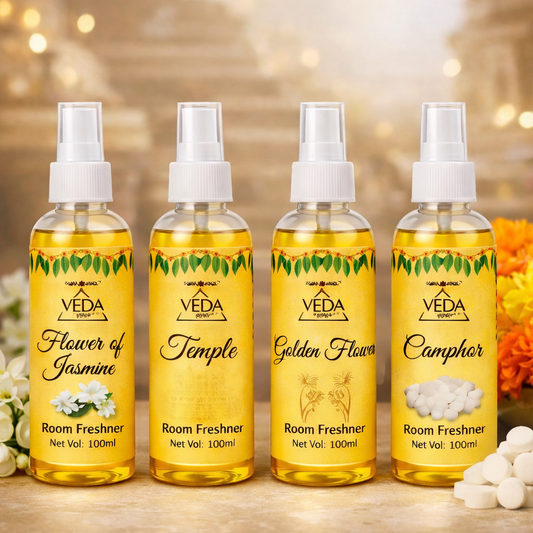
Which Puja Spray Fragrance Suits Meditation
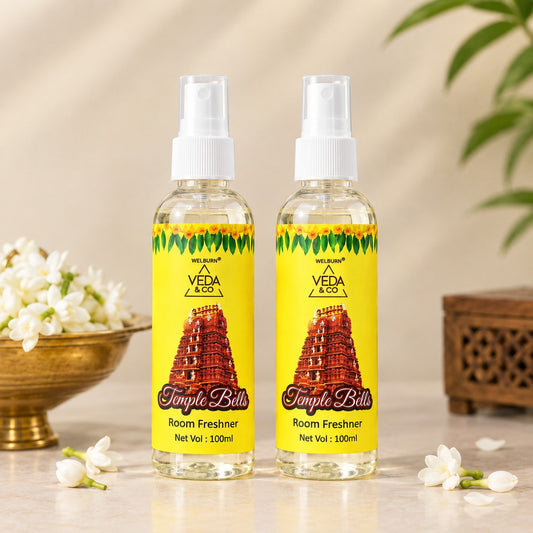
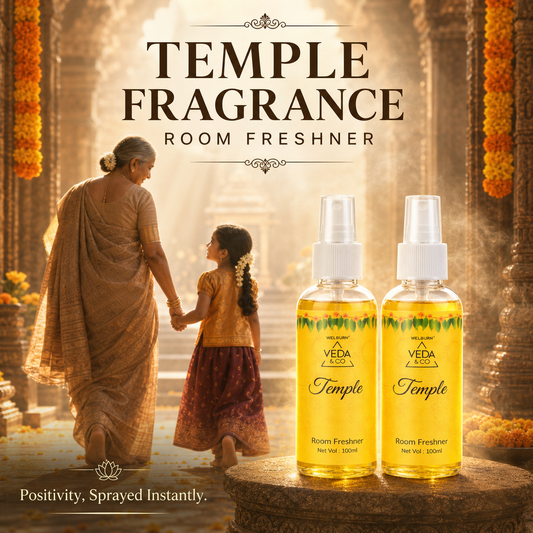
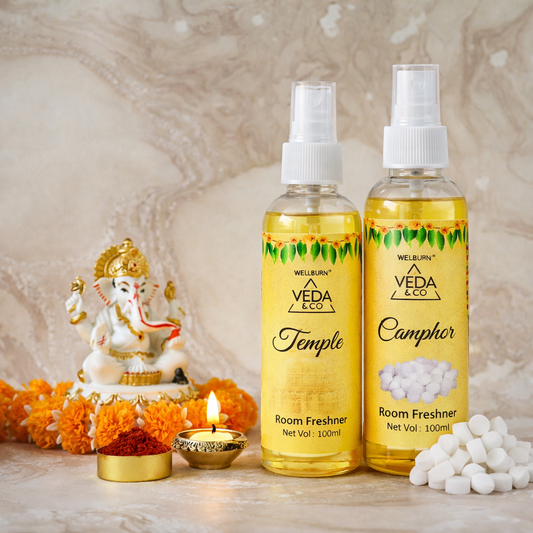
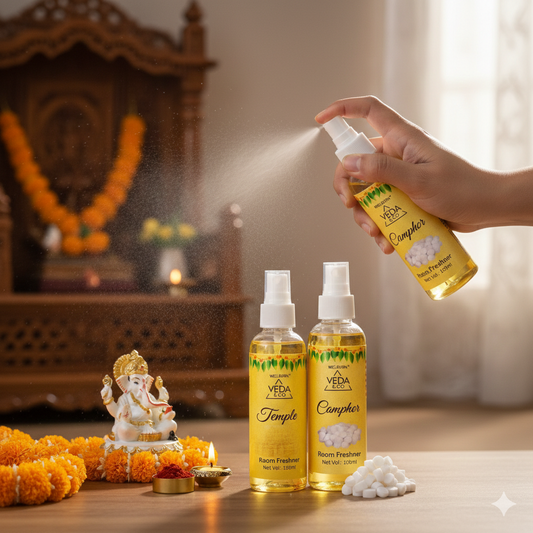
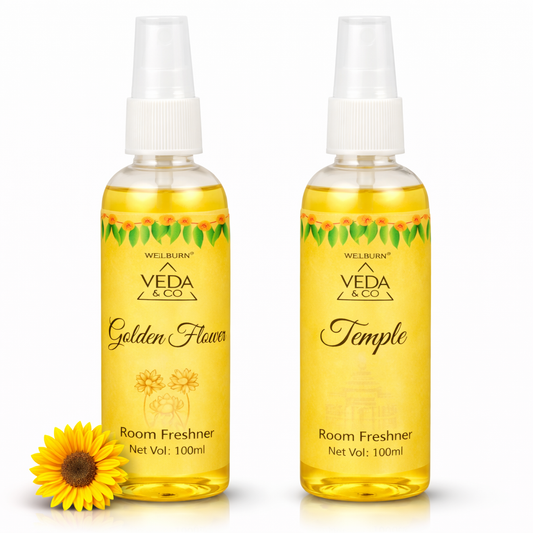
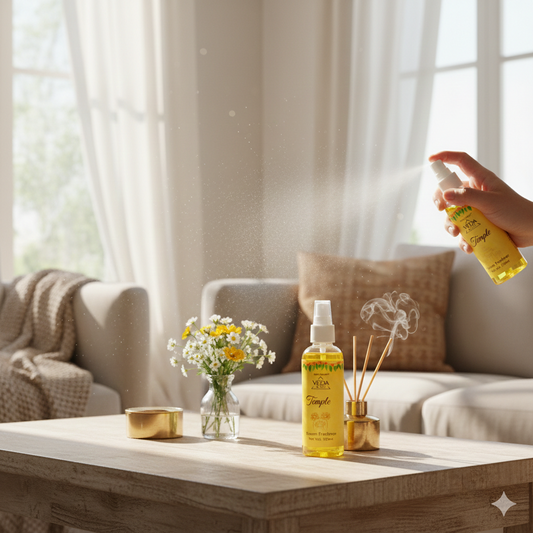
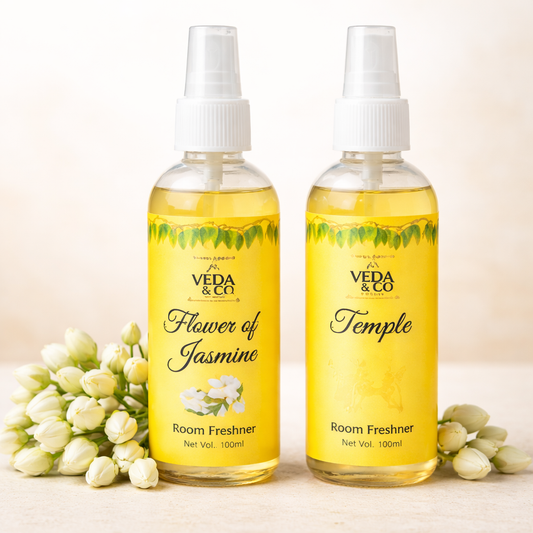
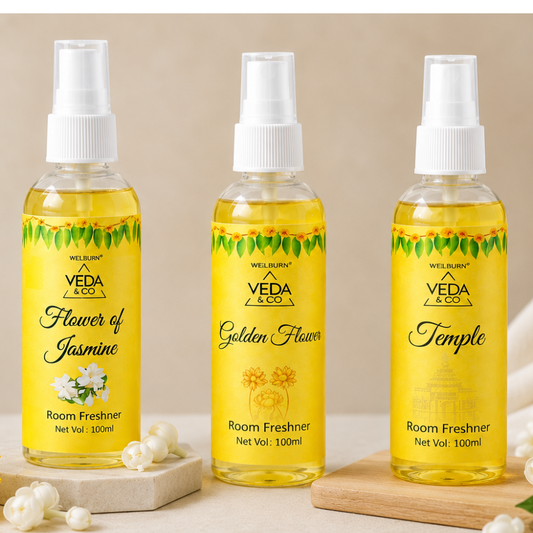
- Temple: The most effective meditation fragrance in the range. Its rich, layered, slightly resinous character creates a noticeably different atmosphere. For practitioners who meditate in a dedicated space, Temple used consistently before each session creates a strong scent-state association quickly.
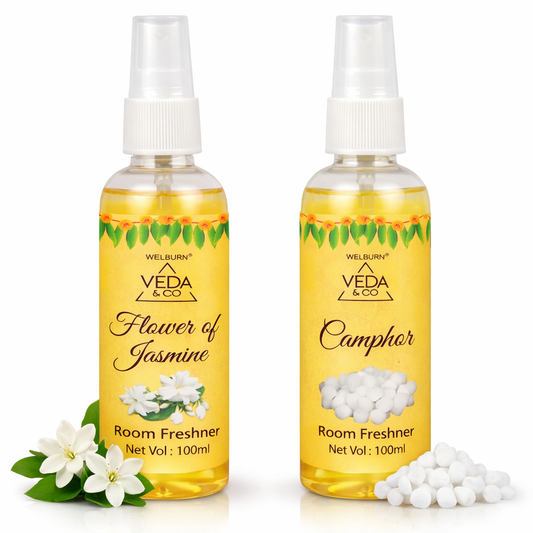
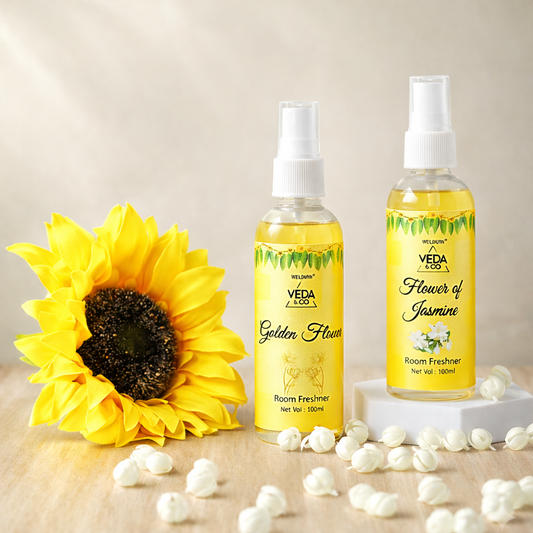
- Jasmine: Research on jasmine specifically notes its association with reduced anxiety and improved alertness without overstimulation — a useful combination for meditation. A lighter choice than Temple, but effective as a meditation cue.
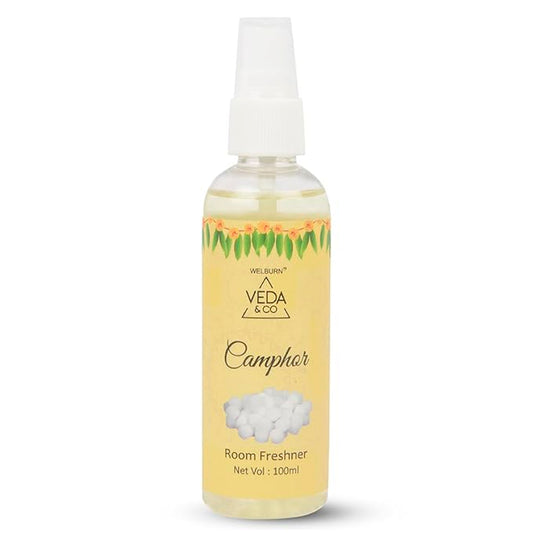
- Camphor: Sharp and air-clearing. Better as a space-preparation spray than a sustained meditation fragrance — use Camphor to freshen the room before setting up, then allow it to settle before sitting.
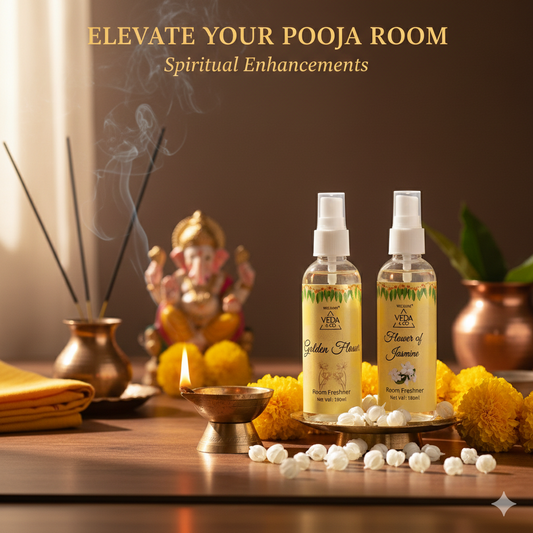
- Golden Flower: Warm and gentle — suited to practitioners who find heavier fragrances distracting during deep concentration practices.
How to Use Puja Spray in a Meditation Routine
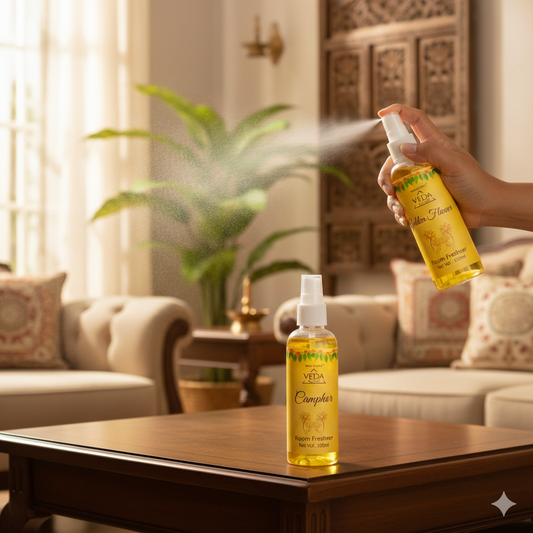
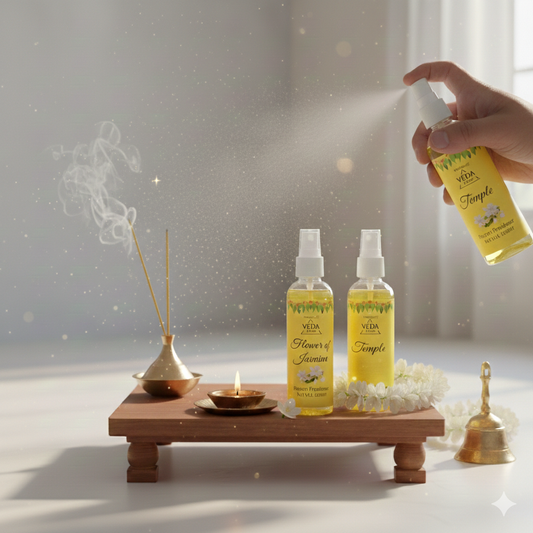
The method is simple: spray once or twice in the centre of your meditation space 2 to 3 minutes before sitting down. Allow the fragrance to settle. Begin your session.
The 2 to 3-minute wait is important — it allows the initial strongest note of the spray to dissipate slightly, leaving the settled, background fragrance that sustains through the session. Spraying immediately before sitting often means the opening note is too present during the first few minutes of meditation.
Building the Scent-State Association
Use the same fragrance at the same point in your routine for at least three weeks before evaluating whether it is working as a cue. Most cue-state associations require repetition to establish. Switching fragrances mid-routine delays the building of this association.
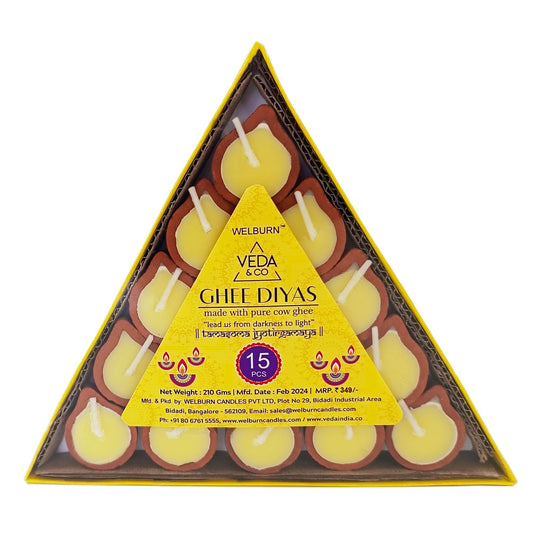
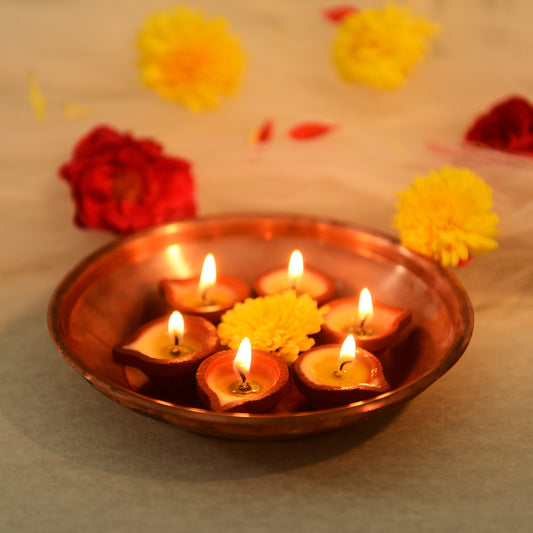
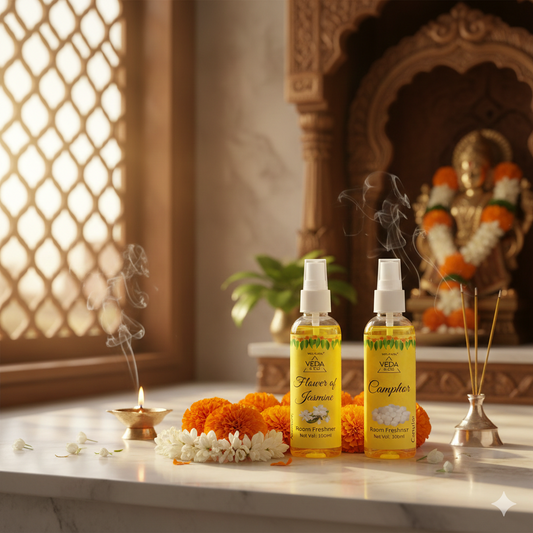
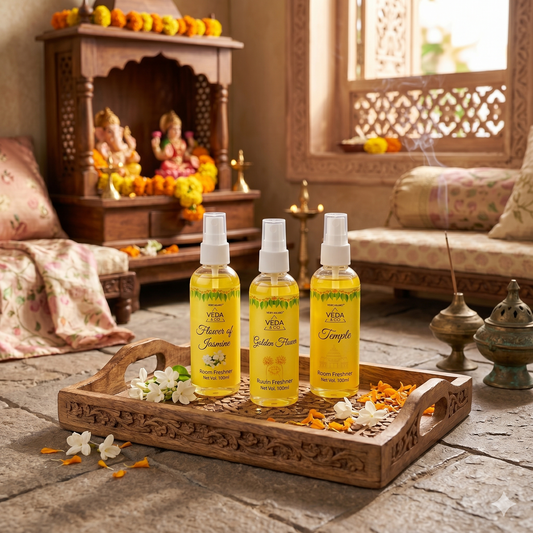
Pair your puja spray with a lit Veda & Co ghee diya for a multi-sensory meditation anchor — fragrance from the spray, warm visual focus from the diya flame.
Frequently Asked Questions
Q: Can I use the puja spray during meditation or only before?
A: Use it before — 2 to 3 minutes prior allows the fragrance to settle into the background. Spraying during a meditation session interrupts the practice and the fragrance note is too immediate.
Q: Is one spray sufficient for a small meditation room?
A: For a small, enclosed meditation space, one spray is typically sufficient. For a larger open room, two sprays directed toward the centre of the space work well.
Q: Which fragrance is best if I meditate in the early morning?
A: Jasmine is well-suited to early morning meditation — it is light and uplifting without being stimulating. Temple works well for those who prefer a more settled, grounding atmosphere regardless of time of day.
Q: Can I use a different Veda & Co fragrance for my puja practice and a different one for meditation in the same space?
A: You can, but using different fragrances in the same space for different practices will eventually blur the cue associations. If possible, dedicate one fragrance to one practice context for the clearest conditioning effect.