How to Choose the Right Ghee Diya for Your Home Puja
Choosing a ghee diya is a deeply personal decision. The right diya not only enhances the visual beauty of your puja space but also ensures the flame burns safely, steadily, and with the spiritual quality your rituals deserve. At Veda & Co, we want to make this choice easy and meaningful for every devotee.
Clay Ghee Diyas: The Original Sacred Lamp
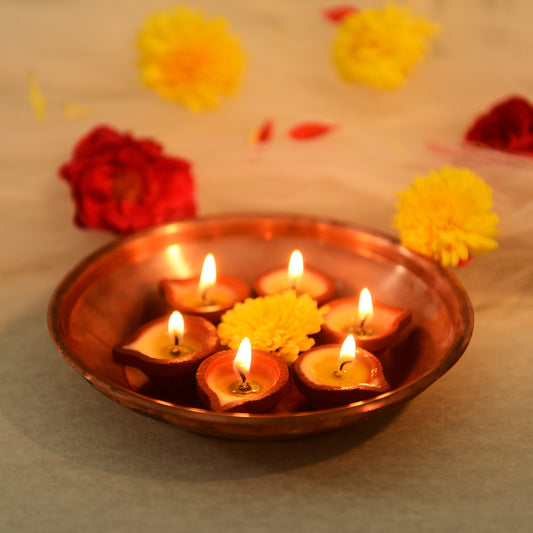
There is a reason clay diyas have been used in India since the Vedic age. Clay is a natural, porous material that absorbs a small amount of ghee, creating an ideal surface for the wick to rest and burn. Clay diyas are:
- Completely biodegradable and eco-friendly
- Inexpensive and available in large quantities for festival use
- Traditional and symbolically significant — clay represents the earth element (Prithvi)
The main consideration with clay diyas is that they are single-use or limited-use. After a festival or a few days of burning, they are respectfully disposed of in running water or earth. Browse our ghee diya collection for beautiful handcrafted clay options.
Matching Your Diya to the Occasion
Size and design matter. Here is a quick guide:
- Daily Morning Puja — A small single-wickr clay diya is perfect. Simple, clean, and deeply meditative.
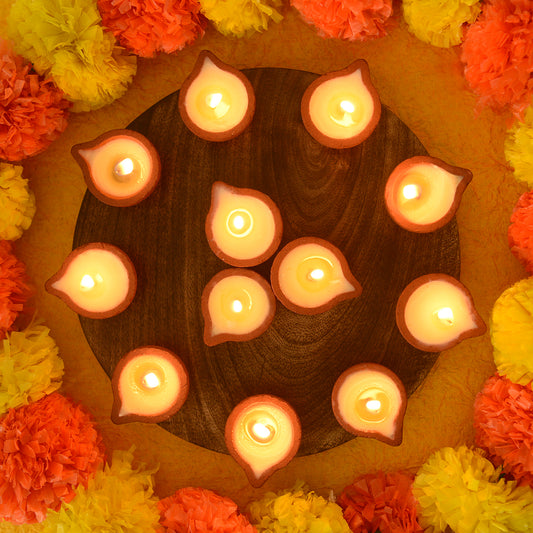
- Diwali and Festivals — Stock up on sets of clay diyas to line doorsteps, windowsills, and rangoli. Our festival collections offer beautiful bulk options.
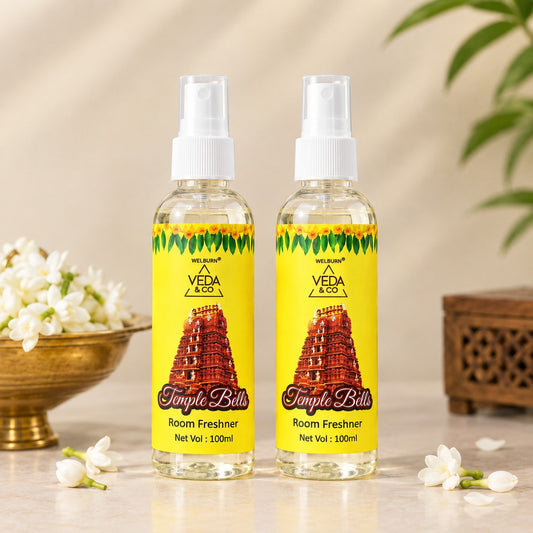
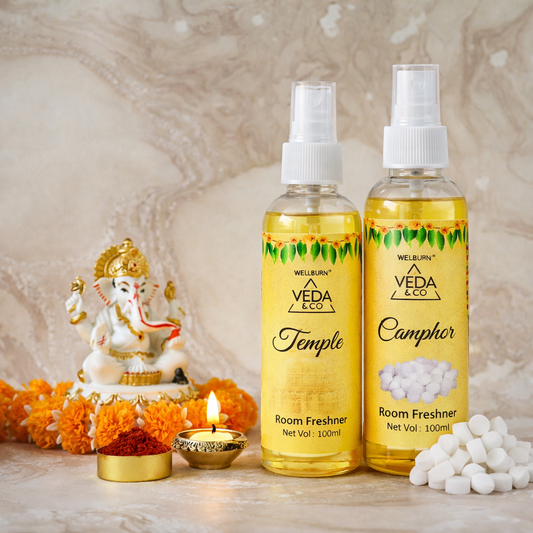
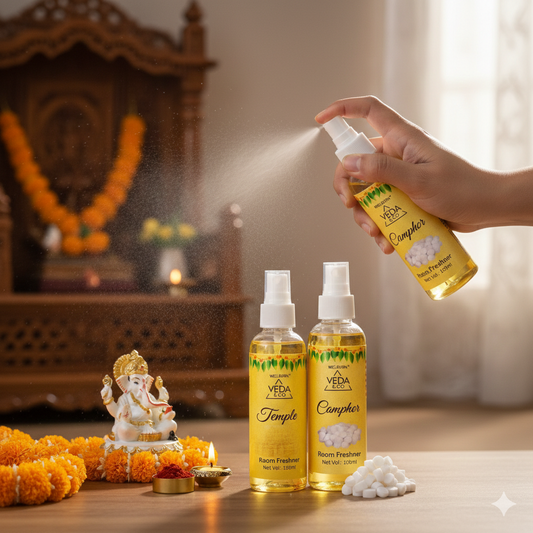
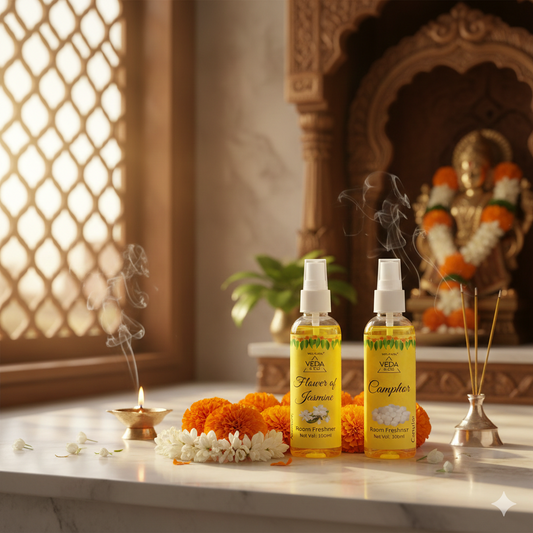
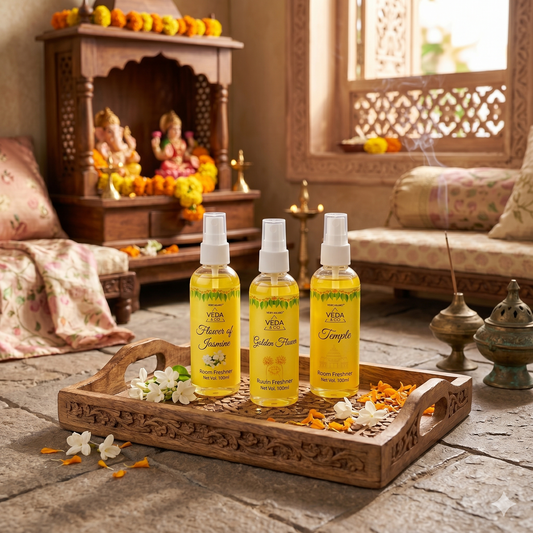
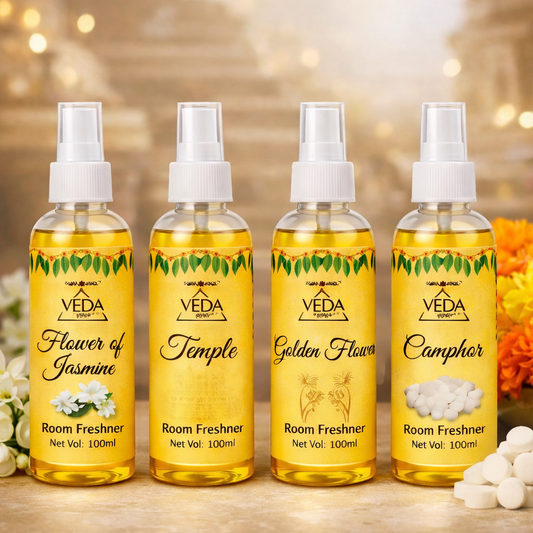
You can also pair any diya with our puja spray to create a holistic sensory experience — purifying the air with sacred fragrance before lighting the divine flame.
How Much Ghee to Fill in Your Diya
A common question from new devotees is how much ghee to use. As a general guide, fill the diya about two-thirds full with pure cow ghee. This ensures the wick is fully submerged at its base but not so drowned that it refuses to burn. As the ghee burns down, you can add a small amount more to keep the flame alive through longer prayers.
Always use pure, unadulterated cow ghee — never refined oil or synthetic ghee — in a ghee diya. The purity of the ghee directly affects the quality of the flame and the spiritual atmosphere it creates. Learn more about the complete ritual in our main guide on ghee diyas and puja significance.
What to Look for When Buying Ghee Diyas Online
Buying ghee diyas online is convenient, but since you can't physically examine the product before purchasing, it's important to know what to look for. Product photos, descriptions, and customer reviews can provide useful clues about quality.
1. Check the Clay Quality
Look for a smooth, evenly fired clay diya without visible cracks or an overly rough, crumbly surface. Well-made diyas are generally less prone to breaking and can provide a more consistent burning experience.
2. Look at the Wick Placement
A well-made diya should have a stable, centred wick holder or groove. The wick should sit securely rather than leaning significantly to one side, which can affect how the diya burns.
3. Check the Product Information
A trustworthy product listing should clearly mention important details such as:
-
Whether the diya comes pre-filled with ghee
-
The quantity of ghee provided
-
Approximate burn time per diya
-
Number of diyas in the pack
-
Type and material of the diya and wick
Avoid listings where important product details are unclear or missing.
4. Read Reviews for Burn Consistency
Don't rely only on the overall star rating. Look for reviews that specifically mention the actual burning experience.
Comments such as "burned evenly," "lasted the full time," or "didn't go out quickly" can give you more useful information about the product's performance.
Checking Ghee Purity: Cow Ghee vs. Adulterated Alternatives
When buying pre-filled ghee diyas, the quality of the ghee is another factor worth considering.
Pure cow ghee typically has a natural golden or yellowish colour, a characteristic aroma, and a grainy or slightly granular texture when solidified. However, appearance alone isn't a reliable way to confirm purity.
Adulterated ghee or vegetable-oil blends may have different colour, texture, aroma, and burning characteristics. Because online buyers cannot easily inspect the ghee themselves, it's better to choose a seller that clearly communicates its sourcing and ingredients.
If available, third-party testing or quality certifications can provide additional confidence about the product's composition.
New to Ghee Diyas? A Beginner's Starting Point
If you're lighting a ghee diya for the first time, there's no need to start with a large quantity. A simple routine can help you become comfortable with the process.
Start with a Small Pack
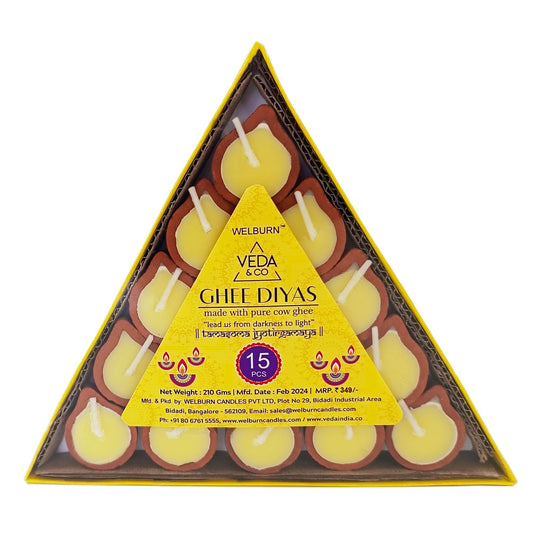
Choose a smaller pack, such as 7 or 15 diyas, rather than purchasing a large quantity immediately. This allows you to understand how the diyas fit into your routine.
Establish a Simple Routine
You can start by lighting one diya at a time and become familiar with placing, lighting, monitoring, and safely extinguishing it.
Keep the Right Tools Nearby
Keep a lighter or matchstick with a slightly longer reach handy. This can make lighting the wick easier, especially when the diya has already been placed in its intended position.
Focus on Consistency
If you're incorporating ghee diyas into a personal or spiritual routine, don't feel pressured to get every detail perfect from the beginning. Start with a simple, consistent practice that works for your space and routine.
Using Ghee Diyas in Small Spaces and Apartments
Living in an apartment or having a compact prayer space doesn't mean you need a large setup. A single small clay diya can work well on a dedicated shelf, windowsill, or suitable prayer area.
For smaller spaces, consider the following:
-
Choose a stable, heat-resistant surface for placing the diya.
-
Keep the diya away from curtains, paper, fabrics, and other flammable materials.
-
Maintain adequate airflow, particularly in compact rooms.
-
Consider a diya with a slightly raised rim to help contain minor ghee spills.
-
Never leave a burning diya unattended.
With the right placement and basic precautions, even a small apartment can have a dedicated space for lighting a traditional ghee diya.
Make Your Ghee Diya Ritual Simple and Meaningful
Choosing the right ghee diya doesn't have to be complicated. By checking the clay quality, wick placement, product information, ghee details, and customer reviews, you can make a more informed choice when shopping online.
Whether you're starting a daily routine or preparing for a special occasion, a thoughtfully chosen ghee diya can bring a traditional touch to your home and prayer space.
Frequently Asked Questions
Q: Can I use buffalo ghee instead of cow ghee in a diya?
A: Traditional Vedic texts specifically recommend cow ghee (go-ghrita) for rituals. While buffalo ghee is used in some regional practices, cow ghee is considered the most sattvic and spiritually potent choice for a ghee diya.
Q: How long does a ghee diya burn?
A: A small clay diya filled with about 1-2 teaspoons of ghee burns for approximately 30-45 minutes. Larger brass diyas with more ghee can burn for several hours. Using a thick cotton wick also extends burn time.
Q: Is it okay to blow out a ghee diya?
A: It is traditionally considered disrespectful to blow out a sacred flame. Instead, use a diya snuffer, gently fan it with your hand to extinguish, or allow it to burn out naturally. You can also use a small piece of cloth.
Q: Can ghee diyas be used outdoors?
A: Yes, but protect them from strong winds which can extinguish the flame or cause the ghee to spill. Place outdoor diyas in a sheltered area or use deeper-welled diyas designed for outdoor use.