Ghee Diya vs Oil Diya: Which Is Better for Your Puja?
It is a question that many devotees ponder: should you light a ghee diya or an oil diya for your daily puja? Both have deep roots in Hindu tradition, and both are sacred. However, there are meaningful differences — spiritual, atmospheric, and practical — that can guide your choice. At Veda & Co, we have explored this question deeply to help you make the most intentional choice for your worship.
What the Scriptures Say
Ancient Vedic texts and the Puranas offer clear guidance. Cow ghee (go-ghrita) is consistently placed at the highest rank among materials used for sacred fire — whether in havan, deepa puja, or home rituals. The Vishnu Purana states that a lamp lit with cow ghee pleases the deity most and grants the devotee wisdom, health, and liberation. Sesame oil (til oil) is also recommended, particularly for rituals connected to ancestors and the planet Saturn. Coconut oil is commonly used in South Indian traditions and is equally honoured.
Spiritual Qualities: Ghee Diya
A ghee diya is considered the most sattvic (pure) form of sacred light. Sattva is the quality of clarity, peace, and harmony. When ghee burns:
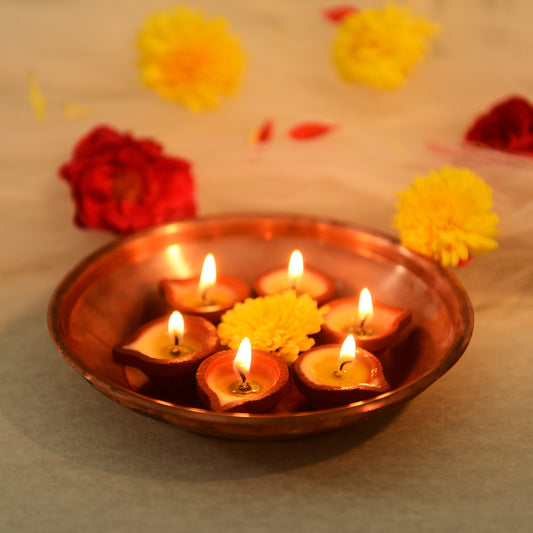
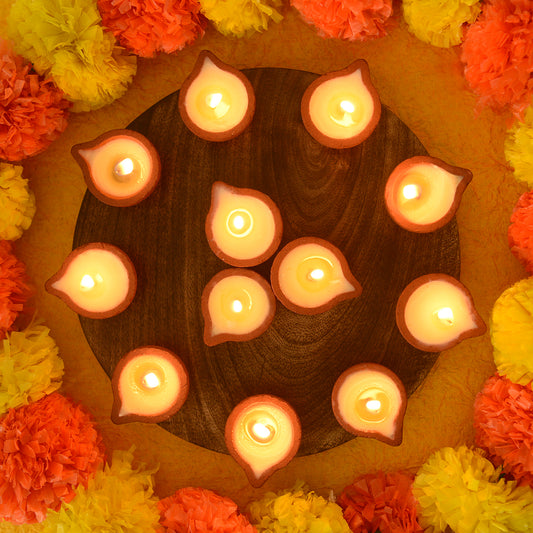
- It produces a bright, golden, steady flame — symbolic of divine knowledge.
- The flame does not flicker easily, representing steady devotion.
- The subtle aroma of burning ghee is itself a form of offering to the deity.
- Ancient seers believed ghee smoke carries prayers to the heavens.
Spiritual Qualities: Oil Diya
Oil diyas have their own sacred role and are recommended for specific deities and occasions:
- Sesame oil diyas are particularly recommended for Shani (Saturn) worship and ancestor rituals (Pitru Puja).
- Coconut oil diyas are preferred for Goddess worship, especially in Kerala and Tamil Nadu traditions.
- Mustard oil diyas are lit in some traditions for warding off negative energies and spirits.
Environmental Comparison
From an environmental standpoint, pure cow ghee and natural plant oils are both biodegradable and far superior to paraffin wax candles or synthetic oil blends. Research on ghee combustion suggests that pure ghee produces less particulate matter than some commercial oils when burned. For indoor puja spaces, a ghee diya with proper ventilation is gentle on the atmosphere and even carries some air-purifying properties.
Practical Considerations
From a daily use perspective:
- Cost: Oil diyas are generally less expensive for daily use since quality cow ghee has a higher cost. For this reason, many households use oil for daily rituals and switch to ghee for special occasions and festivals.
- Burn time: Sesame oil tends to burn slightly longer than ghee for the same quantity.
- Smell: Ghee has a mild, pleasant aroma when burning. Some oils (especially mustard) have a stronger smell that some people find overpowering indoors.
- Spillage: Ghee solidifies at cool temperatures, making it slightly easier to handle. Liquid oil requires more careful handling.
Our Recommendation
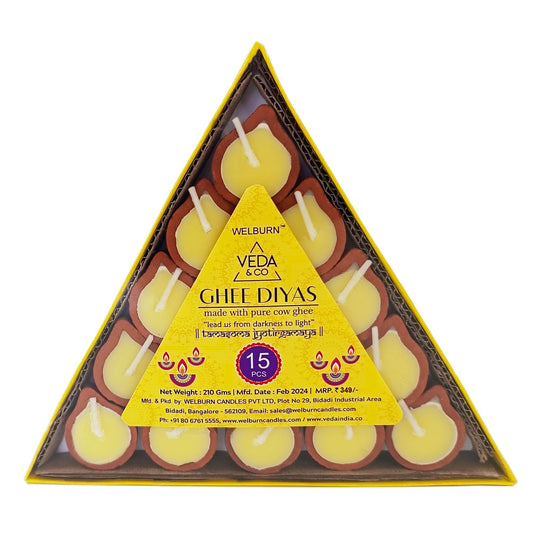
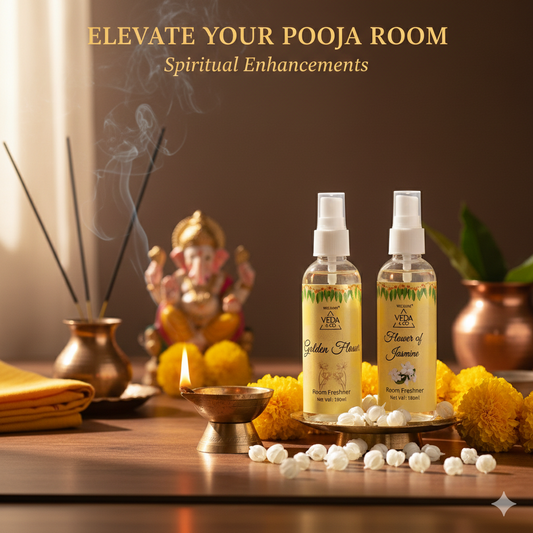
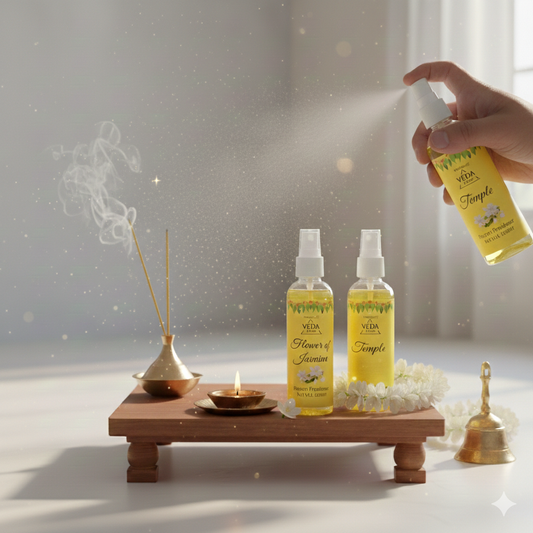
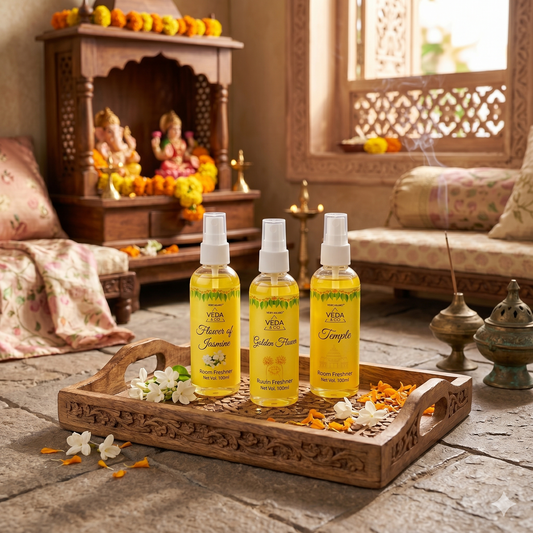
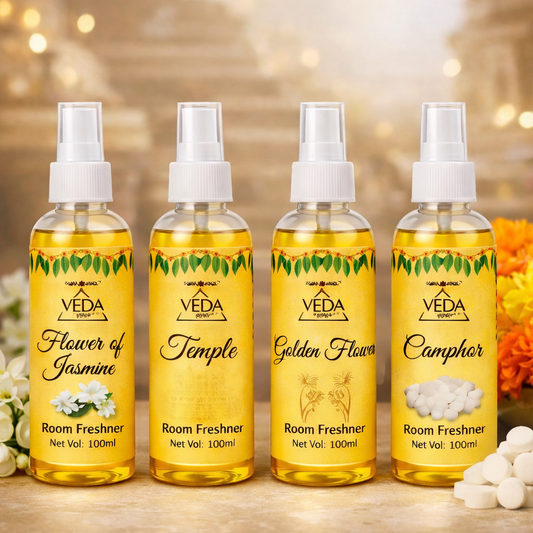
At Veda & Co, we recommend pure cow ghee for all major pujas, festivals, and special occasions — and we design our ghee diya collection with this in mind. For daily rituals when you wish to be mindful of cost, a good quality sesame oil is the traditional alternative. Complete your puja with our pooja spray to purify your sacred space before lighting any lamp.
Frequently Asked Questions
Q: Can I mix ghee and oil in the same diya?
A: While it is not traditional, some devotees mix ghee and sesame oil to extend burn time while retaining the sattvic qualities of ghee. The proportion of ghee should be higher — at least 70% — for this blend to be spiritually effective.
Q: Which diya is best for Lakshmi Puja?
A: A ghee diya is the most auspicious choice for Lakshmi Puja. The golden flame of pure cow ghee is said to resonate with Goddess Lakshmi's divine energy and attract her blessings of wealth and abundance.
Q: Is a ghee diya good for vastu?
A: Yes, lighting a ghee diya in the northeast or east direction of your home is excellent for Vastu and is said to bring positive energy, clarity of mind, and prosperity to the household.
Q: Can children light a ghee diya?
A: Under adult supervision, children can certainly participate in lighting a ghee diya — it is a beautiful way to introduce them to devotional practice. Always ensure they are careful around the flame and that the diya is placed on a stable, heat-safe surface.