Matki Diya vs Traditional Diya: Design, Burn Time and Styling Differences
A matki diya and a traditional diya both serve the same basic purpose - holding a flame - but the shape difference changes how each one is best used. This sub-blog is part of our Matki Diya Guide and breaks down the practical differences.
Shape and Design
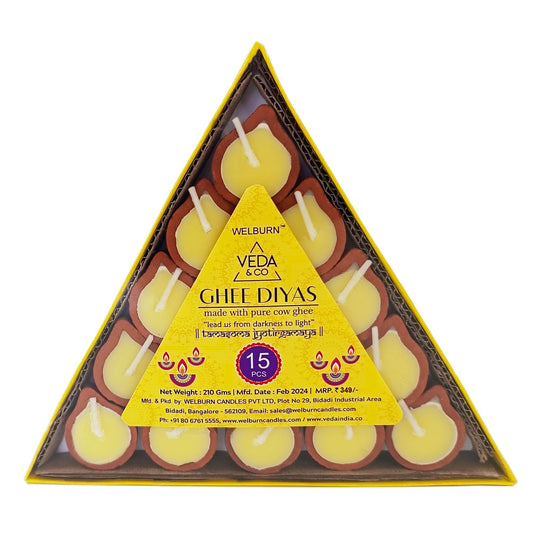
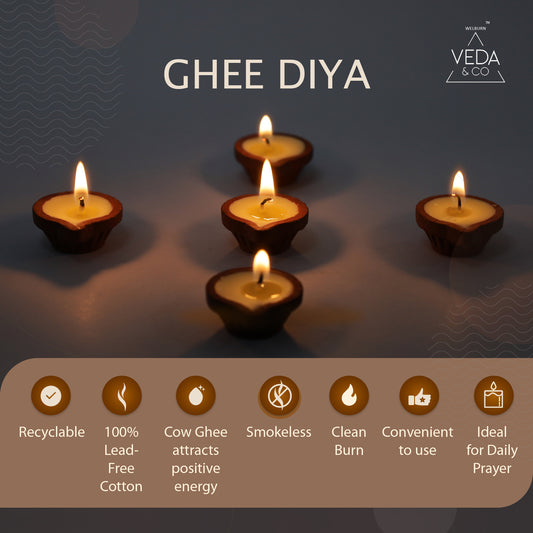
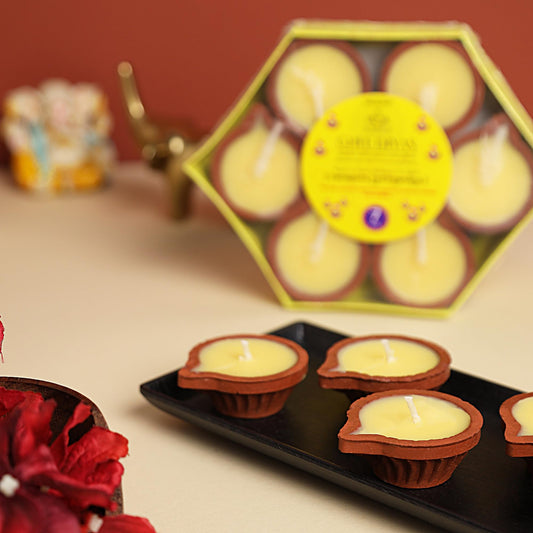
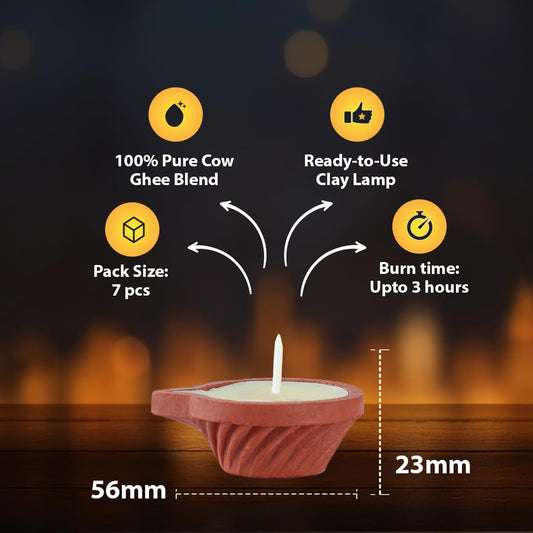
A traditional diya is flat and saucer-shaped, designed to sit stably on any flat surface and hold ghee or oil with a wick. A matki diya is rounded like a small pot, which gives it a more sculptural, decorative look but changes how much oil or wax it can practically hold compared to a wide, shallow saucer.
Burn Characteristics
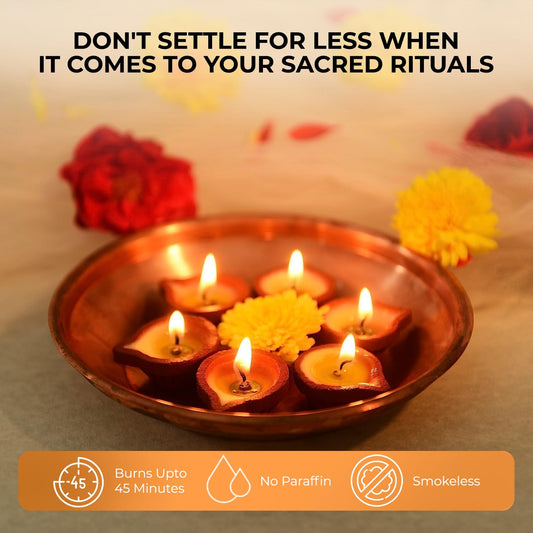
Traditional ghee diyas are typically topped up and relit through a puja session, matching ritual timing. Matki diyas, especially scented versions, are more often built around a single longer burn - Veda & Co's matki diya is rated for extended burning, making it closer to a decorative candle in usage pattern than a ritual diya that needs monitoring.
Best Placement for Each
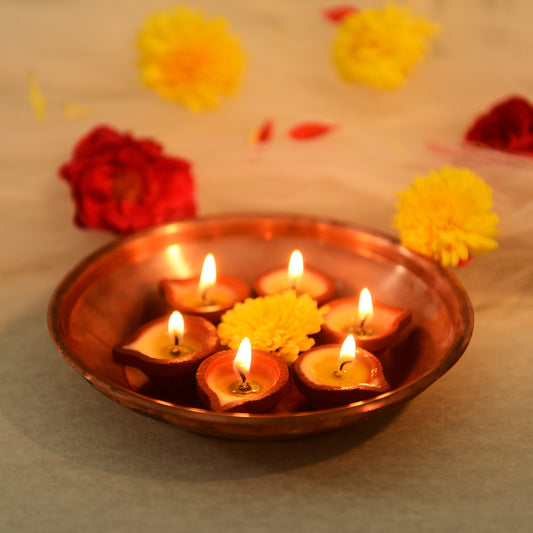
● Traditional diya: puja altar, main entrance line, anywhere requiring a wide, stable base
● Matki diya: balconies, side tables, window ledges - anywhere the rounded shape and decorative finish can be appreciated
Which Should You Choose?
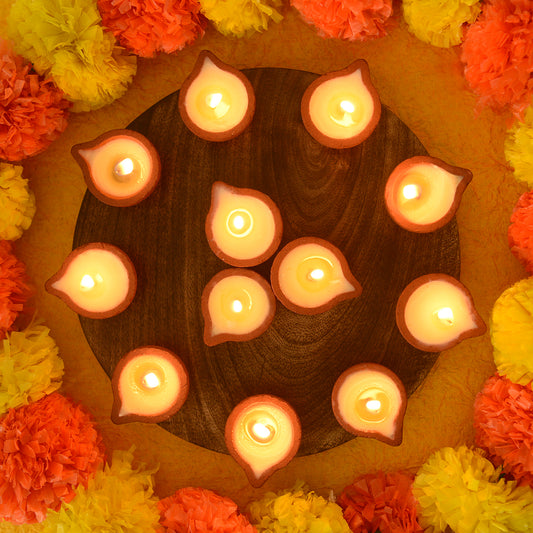
For ritual use, a traditional ghee diya remains the standard choice. For decorative Diwali styling - the kind covered in our guide on styling matki diyas - the matki diya's shape and longer burn time make it a better fit. Most festive setups end up using both, each for what it does best.
FAQs
Q1. Can a matki diya be used on the puja altar?
It can, but traditional flat diyas are generally preferred for ritual use since their wide base is designed for topping up ghee or oil through a puja session.
Q2. Does a matki diya burn longer than a traditional diya?
Many scented matki diyas are designed for a longer single burn compared to a traditional diya, which is typically relit and monitored through a ritual rather than left burning continuously.
Q3. Is a matki diya only decorative, or can it be used functionally too?
It's primarily decorative and works well for ambient festive lighting, though it can still provide a genuine flame or fragrance - it's just less suited to active ritual use than a traditional diya.
Q4. Which is better for gifting - a matki diya or a traditional diya set?
Matki diyas tend to work better for gifting outside close family, since their decorative look reads as a giftable item rather than a bulk ritual purchase.