Puja Spray vs Agarbatti and Dhoop: Choosing the Right Fragrance Ritual
Part of this cluster. Also see: How to Use Puja Spray the Right Way | Puja Spray for Griha Pravesh and New Beginnings | Puja Spray Shelf Life and Storage
Fragrance has always been part of Indian ritual life, and for most households that has traditionally meant agarbatti or dhoop. A puja spray is a newer addition to that same shelf, and it's worth understanding what each actually does differently rather than treating them as interchangeable.
Incense in general, including agarbatti and dhoop, works by slow combustion — the stick or resin burns, and fragrance releases gradually along with visible smoke. That smoke is, for many households, part of the ritual itself: the rising trail during aarti has genuine symbolic meaning. But it also means an open flame or ember, smoke that lingers in enclosed rooms, and a burn time you have to plan around rather than control instantly.
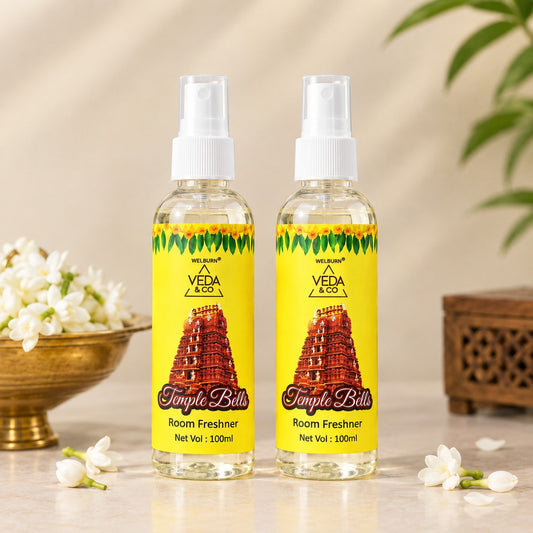
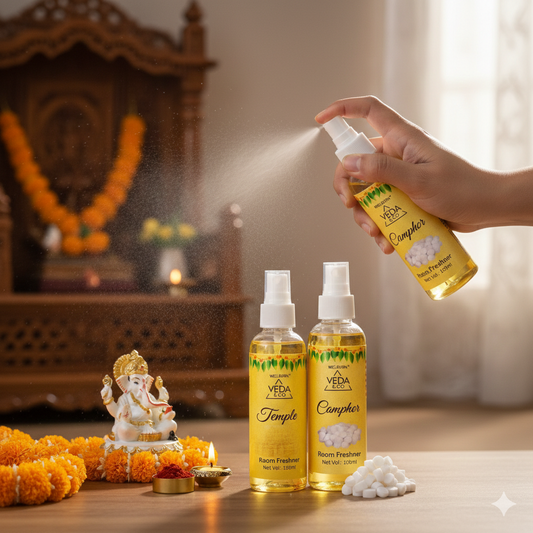
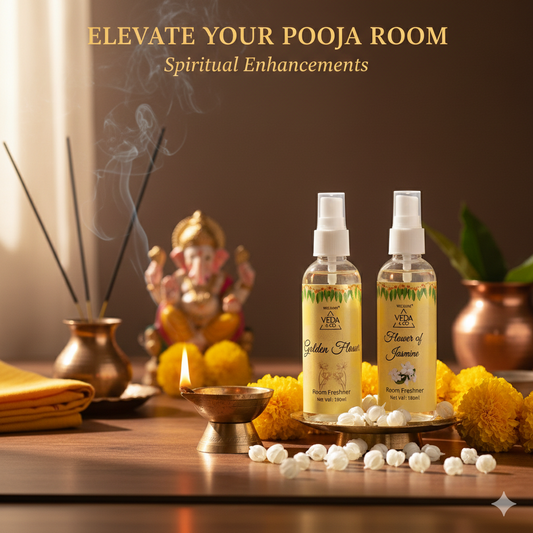
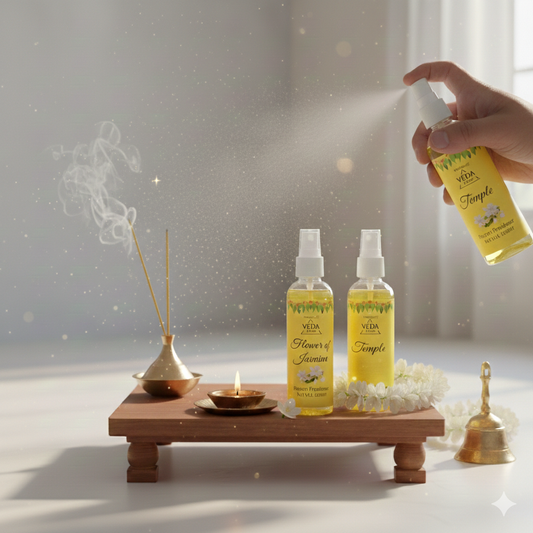
A puja spray works differently — flameless, smokeless, and instant. A few spritzes from a 100ml bottle fill a room with fragrance in seconds, with no ember to watch and no smoke to ventilate afterward. This makes it a practical option for air-conditioned rooms, apartments with sensitive smoke alarms, offices, or moments when you want the room fresh right before guests arrive rather than fifteen minutes from now.
Neither replaces the other in terms of ritual meaning — dhoop and agarbatti carry a devotional weight tied to the act of burning an offering that a spray doesn't attempt to replicate. What a puja spray is genuinely good at is everyday, practical fragrance: freshening the puja room between formal rituals, scenting a living room before guests, or adding fragrance in situations where lighting an agarbatti isn't convenient or safe.
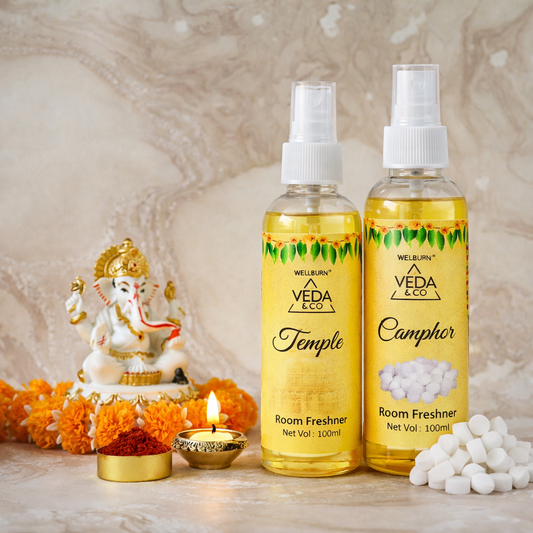
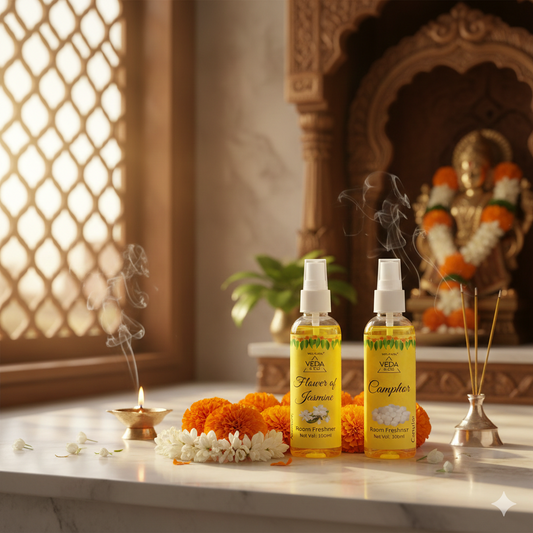
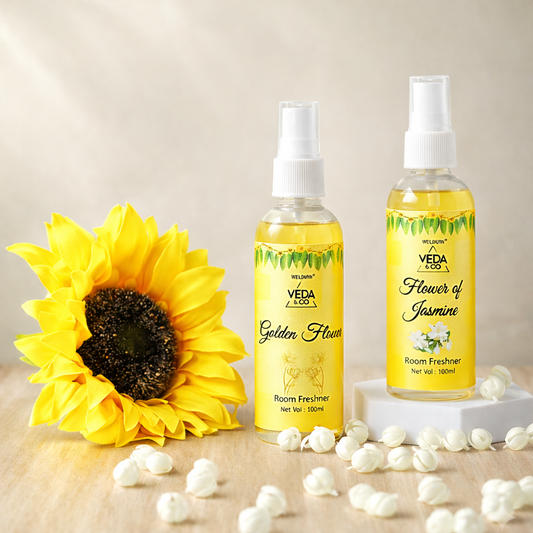
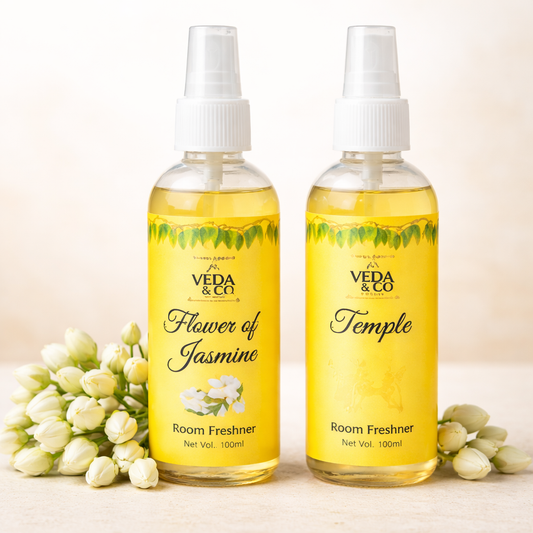
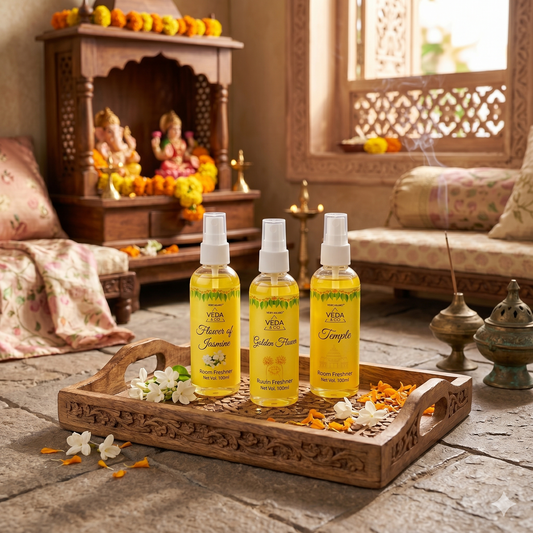
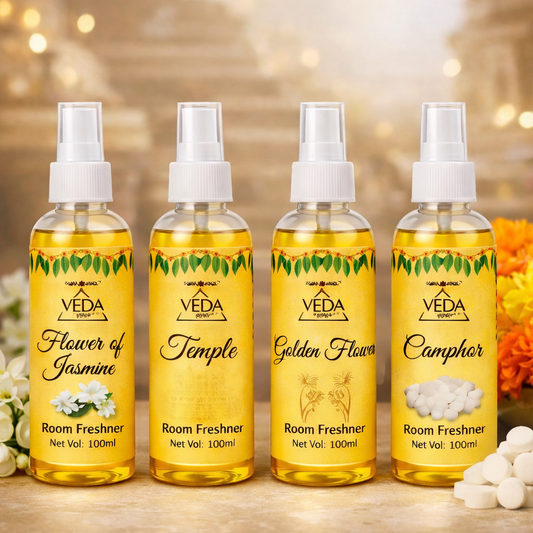
Many households end up using both, simply for different moments — agarbatti or dhoop during the actual puja or aarti, and a puja spray for the hours in between, or for spaces outside the puja room entirely, such as a living room or bedroom. If you're deciding where to start, the four-fragrance Combo Pack of 4 lets you test Jasmine, Camphor, Golden Flower and Temple across different rooms and moments before settling on a favourite.
Frequently Asked Questions
Is a puja spray a replacement for agarbatti?
Not in terms of ritual meaning — the act of burning agarbatti or dhoop carries devotional significance a spray doesn't replicate. A puja spray is better understood as a flameless, everyday fragrance option that works alongside traditional incense.
Why choose a puja spray over agarbatti in some rooms?
A puja spray has no flame or ember, produces no smoke, and works instantly — useful in air-conditioned rooms, near smoke alarms, or when you want a room freshened right before guests arrive.
Can I use puja spray and agarbatti in the same home?
Yes, most households do — agarbatti or dhoop during the actual puja, and a puja spray for freshening the room the rest of the day.
Which puja spray fragrance is closest to traditional agarbatti scents?
Temple and Camphor fragrances tend to feel closest to a traditional puja room atmosphere, while Jasmine and Golden Flower lean more floral. The Combo Pack of 4 is a good way to compare all four directly.